Asparagus Fern Care: Not a Fern, and It Has Thorns
Asparagus fern is not a fern, it is toxic to cats and dogs, and mature stems carry spines. Here is how to grow it and what to know first.
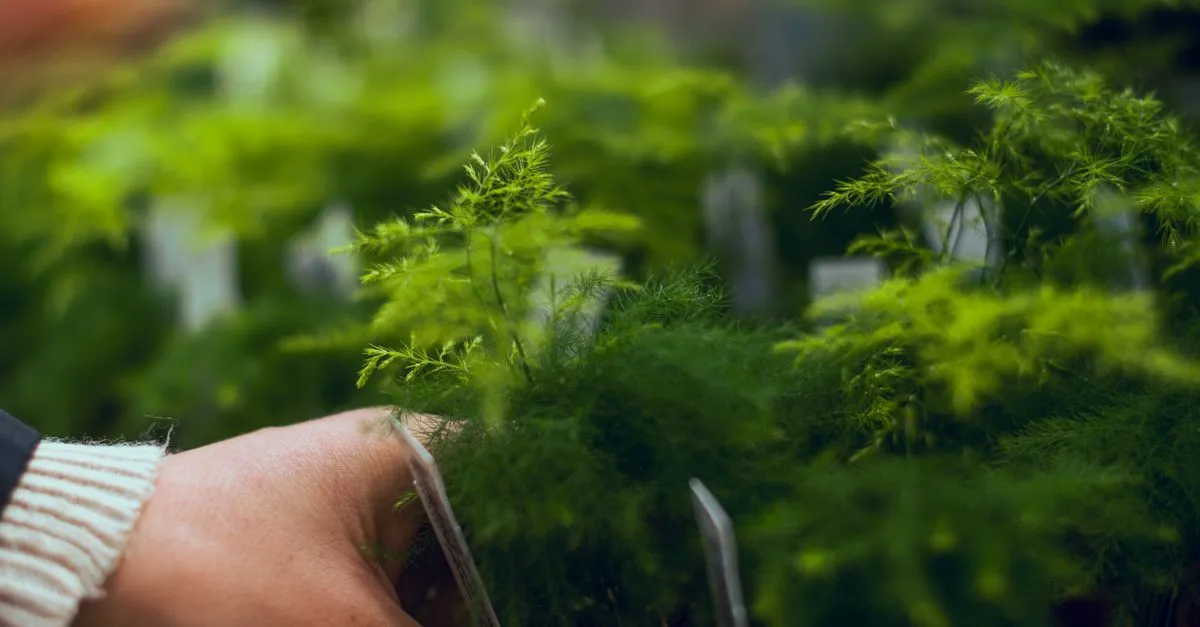
Most asparagus fern care goes wrong for one reason: the name. Asparagus densiflorus and its relatives are not ferns but members of the asparagus family, close cousins of the vegetable, and they want bright light and soil that dries a little between waterings, not the deep shade and constant moisture a true fern needs. Treat one like a Boston fern and you will rot it.
Two warnings before you handle it
Spines. The soft needles hide small, sharp spines on the mature stems, and you rarely notice them until one catches your hand. Wear gloves whenever you prune, divide or repot.
Toxic to pets. The ASPCA lists it as toxic to dogs and cats: allergic dermatitis from repeated skin contact, and gastric upset with vomiting, abdominal pain or diarrhoea if the red berries are eaten. Hang it out of reach, or choose from the pet-safe list if your cat chews plants.
Why the name drives most asparagus fern care mistakes
A fern has fronds and spreads by spores. This plant has neither: the fine needles are flattened stems, and underground it grows tuberous roots much like the asparagus you eat. It comes from open scrub in southern Africa, not a damp forest floor, so it wants more light and a drier root zone than any true fern.
The name problem reaches the shop label too. The ASPCA entry lists it under Emerald Feather, Emerald Fern, Sprengeri Fern, Plumosa Fern and Lace Fern, and the upright form sells as Foxtail Fern. Someone who searches “is emerald fern safe for cats” can find nothing and assume it is. Check by botanical name and you get there: the ASPCA files the entry under Asparagus densiflorus cv sprengeri. Note that Asparagus setaceus, the lacy species often sold as plumosa fern, does not appear on that entry under its own scientific name, though Plumosa Fern is one of the common names listed there.
If your asparagus fern is struggling, the fix is nearly always to stop treating it like a fern.
Light, water and feeding that suit it
Light. Bright indirect light: an east window, or a metre back from a south or west one. Gentle morning sun is fine; hot afternoon sun bleaches the needles. Deep shade is the most common reason it thins out.
Water. Let the top 2 to 3 centimetres of soil dry, then water thoroughly and let the pot drain. The tubers hold water, so a missed week does far less harm than a soggy pot. Never leave it standing in a saucer, and water less in winter.
Soil and humidity. Any free-draining mix with added perlite. Room humidity is fine; misting does nothing useful.
Feeding. A balanced liquid feed at half strength once a month from spring to early autumn, nothing in winter.
Temperature. Happy at 15 to 24 °C; keep it above 10 °C and away from cold draughts.
Tuberous roots mean dividing, not just potting on
Knock a mature plant out of its pot and you find a dense mass of white tubers the size of small grapes. They store water, which is why the plant shrugs off drought, but they fill a pot fast. Within a year or two the roots push the crown above the rim, water runs down the sides, and a plastic pot can split.
Moving up one pot size only buys a season. Divide it instead: in spring, gloves on, cut the root ball into two or three pieces with a clean knife, each with its own stems and tubers, and pot each in fresh mix. The division guide walks through the method.
Yellowing and shedding needles: the usual causes, in order
Too little light. The most common cause. Needles yellow gradually from the lower stems inward, growth stretches, and the plant sheds a little every day. Move it somewhere brighter.
It dried out hard once. A plant left bone dry drops a large share of its needles all at once, a week or two later. Those stems do not green up again. Cut them to soil level, water normally, and new shoots come from the tubers.
Overwatering. Yellowing with wet soil and a sour smell is root rot, the usual result of fern-style care. Let it dry out, check the tubers, and cut away anything brown and soft.
Spider mites. Fine webbing and speckled needles in a warm dry room. Rinse and treat.
Pruning and keeping it in shape
Gloves first. Cut a bare or straggly stem right back to soil level; trimming the tip leaves a stub that never fills out. An overgrown plant can be cut back hard in spring and regrows from the tubers within weeks. Sprengeri arches and suits a basket, Plumosa climbs and needs support, and Foxtail holds upright plumes that rarely need cutting.
Grow it as the asparagus it is
Bright light, soil that dries a little, gloves on, and out of the pets’ reach: that is the whole recipe, and almost every sick asparagus fern has simply been cared for as a fern. Check the root ball each spring, and divide rather than pot on the moment the tubers start lifting the crown.
Where to go next
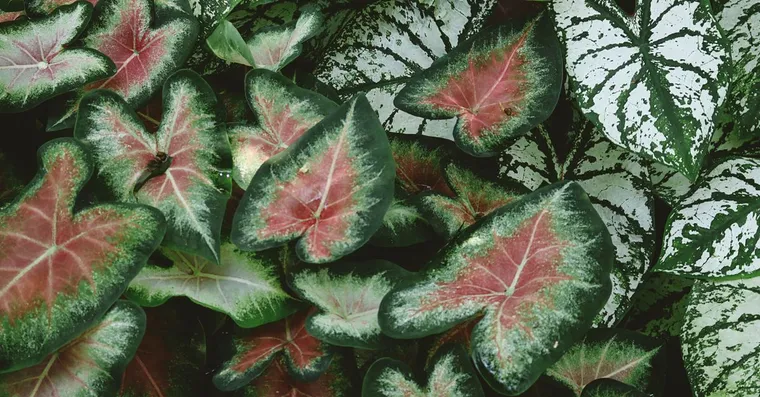
Caladium Care: Bright Leaves, Winter Dormancy, and Toxic Sap
Caladiums die back every winter and that is normal, not failure. Here is how to grow the tubers indoors and why they need care around pets.
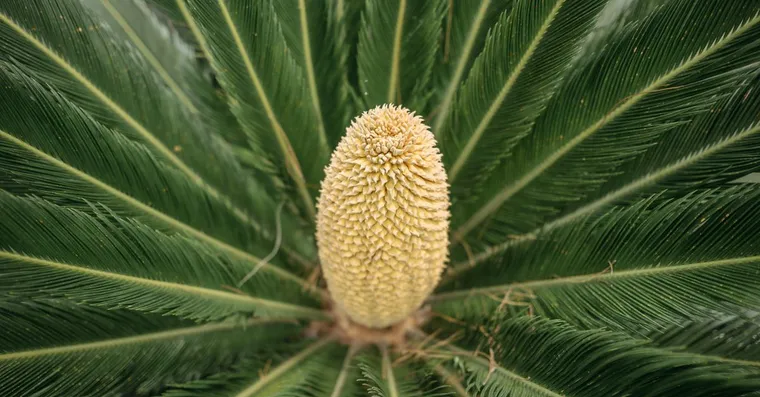
Sago Palm Care, and the Poisoning Risk You Must Know First
A sago palm is not a palm and it is the most dangerous plant commonly sold as a houseplant. Care is easy; the safety decision is the hard part.
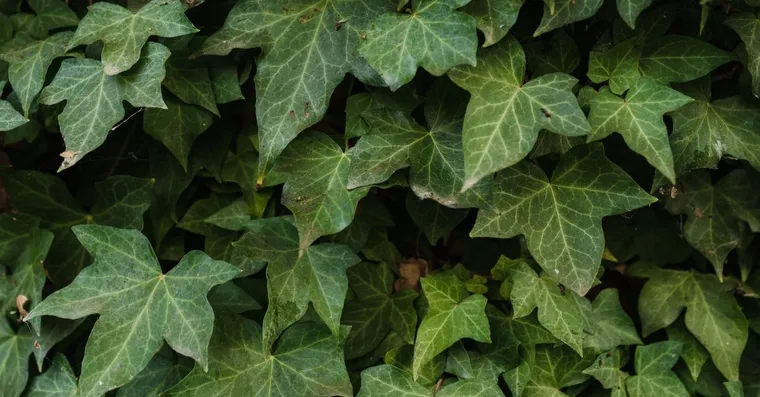
English Ivy Indoor Care: Light, Water, and Keeping It Off the Cat
English ivy grows fast indoors and is toxic to cats and dogs. Here is how to keep it healthy, keep it contained, and decide whether to keep it at all.
Not sure what plant you have? Identify it from a photo and we will point you at its care guide.