Caladium Care: Bright Leaves, Winter Dormancy, and Toxic Sap
Caladiums die back every winter and that is normal, not failure. Here is how to grow the tubers indoors and why they need care around pets.
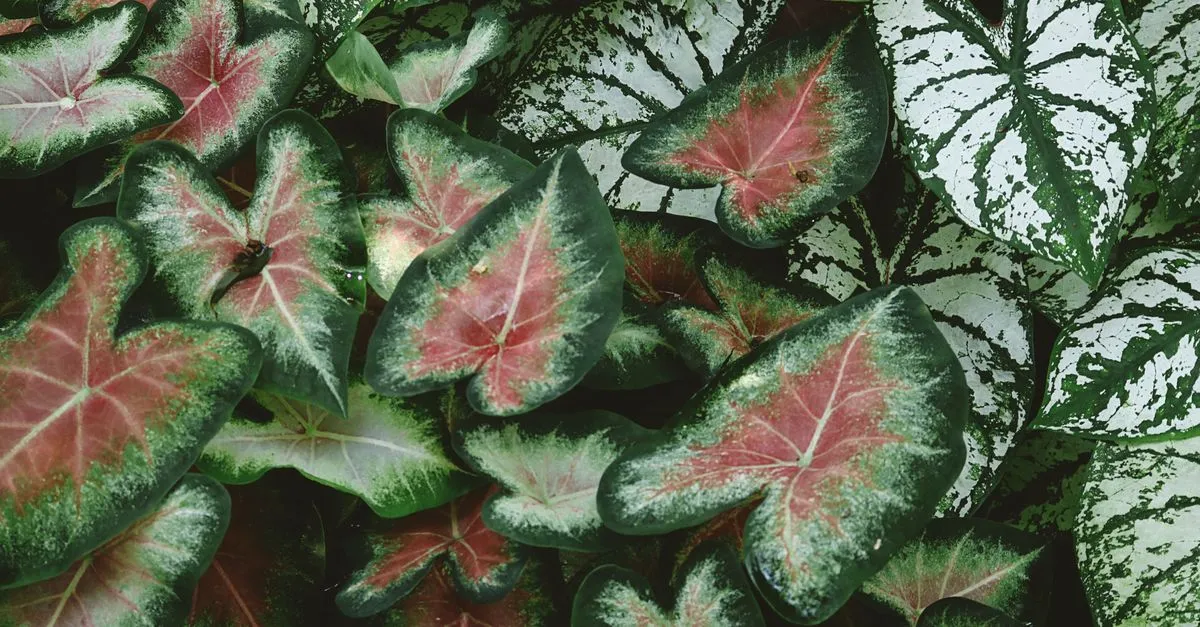
Most worry about caladium care comes down to one moment: in autumn the leaves yellow, flop and die back to nothing, and the owner assumes they have killed it. They have not. A caladium grows from a tuber and shuts down for winter on schedule, so the real skill is knowing what to do while it sleeps.
Why your caladium collapses every autumn
A caladium is not a year-round foliage plant like a pothos. The tuber stores energy through summer, then closes down as days shorten and temperatures dip, usually from September onwards indoors. Leaves yellow, stems soften and fall over, and within a few weeks the pot looks empty. This happens no matter how well you have grown it. A plant in a perfect spot dies back just as surely as one on a cold windowsill.
The mistake is fighting it. People see yellow leaves, assume underwatering or hunger, and respond with more water and feed. The tuber wants neither. When the leaves start to go, stop watering, let the foliage die back fully, and cut it away once it is dry.
Caladium care through winter dormancy
A wet, cold tuber rots. A dry, warm one waits.
Keep the tuber dry. A tuber left damp and cold through winter rots, and that is the actual way most caladiums die. Either leave it in its pot with the soil bone dry, or lift it, brush off the soil and store it in dry compost or paper.
Keep it warm. Aim for 15 to 21C. A cupboard in a heated room works well; a garage, shed or unheated conservatory does not. Cold plus damp is the combination that kills.
Leave it alone. Check once a month for soft or mouldy patches and cut those away. Otherwise no water, no feed, no light.
Restart in spring. From March or April, pot the tuber knobbly side up in fresh, free-draining compost, water lightly once, and put it somewhere warm, ideally 21C or above. Water again only when shoots show, then increase steadily. Warmth wakes the tuber; water on a cold tuber just rots it.
Growing-season care: warmth first, then humidity and light
Once the leaves are up, caladium care means copying the warm, damp understorey the plant comes from.
Warmth. This matters more than anything. Below about 18C a caladium sulks and stalls, and a cold draught sets it back for weeks. Keep it clear of open windows and air conditioning.
Humidity. The thin leaves lose water fast and crisp at the edges in dry air. A bathroom, a pebble tray, a humidifier or a cluster of other plants all help; the humidity guide covers what works and what does not.
Light. Bright but indirect. Direct sun through glass scorches the papery leaves in an afternoon, leaving bleached, dry patches. An east window, or a metre back from a south or west one, is about right.
Water. Keep the soil evenly moist while the plant is in leaf, never soggy and never dried out. Use a pot with drainage holes and let the top centimetre or two dry before watering again.
Feed. A half-strength balanced liquid feed every two to three weeks through summer keeps new leaves coming. Stop in late summer as growth slows.
Why the colour fades in a dark corner
The pink, red and white you bought the plant for depend on light. In too dim a spot new leaves come through smaller, greener and washed out, and the stems stretch towards the window. Move it into brighter indirect light and the next leaves recover their colour. After dormancy panic, this is the most common complaint, and it has the simplest fix.
Toxic to dogs, cats and horses
The ASPCA lists Caladium hortulanum as toxic to dogs, cats and horses. The toxic principle is insoluble calcium oxalates, the same needle-like crystals found in dieffenbachia and pothos. Chewing a leaf causes oral irritation, pain and swelling of the mouth, tongue and lips, excessive drooling, vomiting (which the ASPCA notes does not apply to horses), and difficulty swallowing. It is rarely fatal but it is painful. Keep it out of reach of pets that chew, or choose from the pet-safe houseplants list instead.
One name, three different plants
That same ASPCA entry lists a long tail of retail names: Malanga, Elephant’s Ears, Stoplight, Pink Cloud, Angel Wings and more. “Elephant ear” is the one to watch, because Colocasia and Alocasia are also sold under it and they are different plants. Alocasia is common indoors and has its own dormancy habit, covered in the alocasia care guide. When you are checking toxicity or buying for a specific look, go by the Latin name on the label, not the common one.
Let it sleep, keep it dry, and it comes back
The whole trick with a caladium is accepting the die-back and then getting winter right: dry, warm, and left alone. Do that and the tuber restarts in spring without drama. Watch for the first shoots from April, then bring on warmth and water slowly.
Where to go next
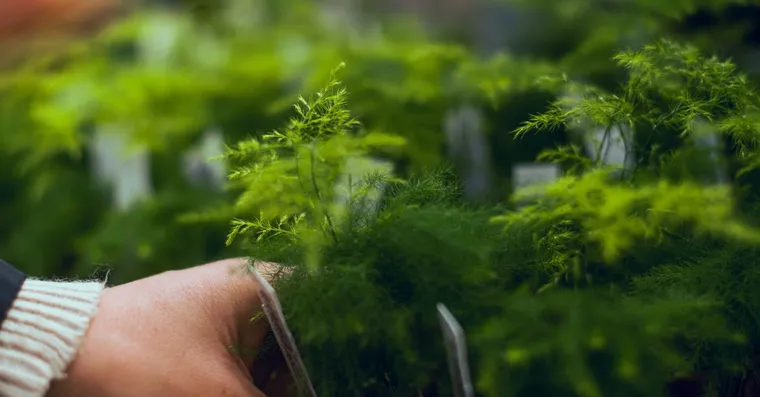
Asparagus Fern Care: Not a Fern, and It Has Thorns
Asparagus fern is not a fern, it is toxic to cats and dogs, and mature stems carry spines. Here is how to grow it and what to know first.
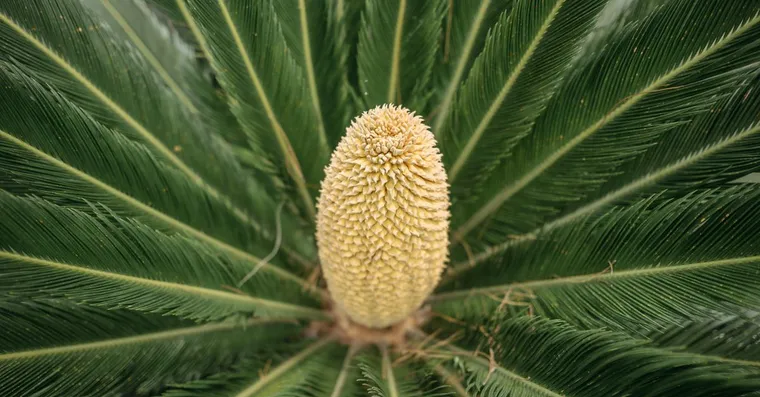
Sago Palm Care, and the Poisoning Risk You Must Know First
A sago palm is not a palm and it is the most dangerous plant commonly sold as a houseplant. Care is easy; the safety decision is the hard part.
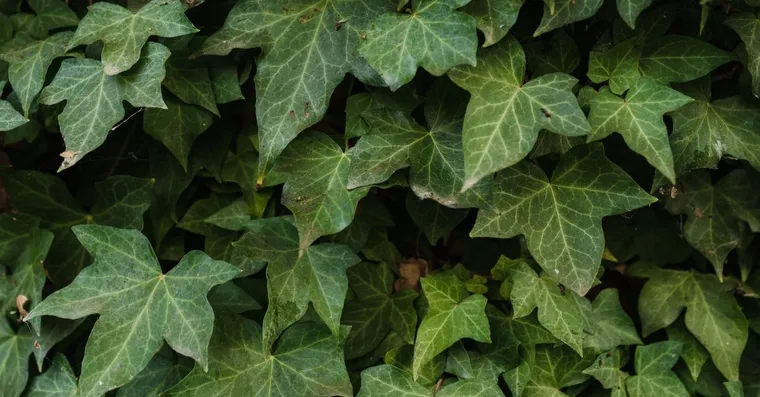
English Ivy Indoor Care: Light, Water, and Keeping It Off the Cat
English ivy grows fast indoors and is toxic to cats and dogs. Here is how to keep it healthy, keep it contained, and decide whether to keep it at all.
Not sure what plant you have? Identify it from a photo and we will point you at its care guide.