Sago Palm Care, and the Poisoning Risk You Must Know First
A sago palm is not a palm and it is the most dangerous plant commonly sold as a houseplant. Care is easy; the safety decision is the hard part.
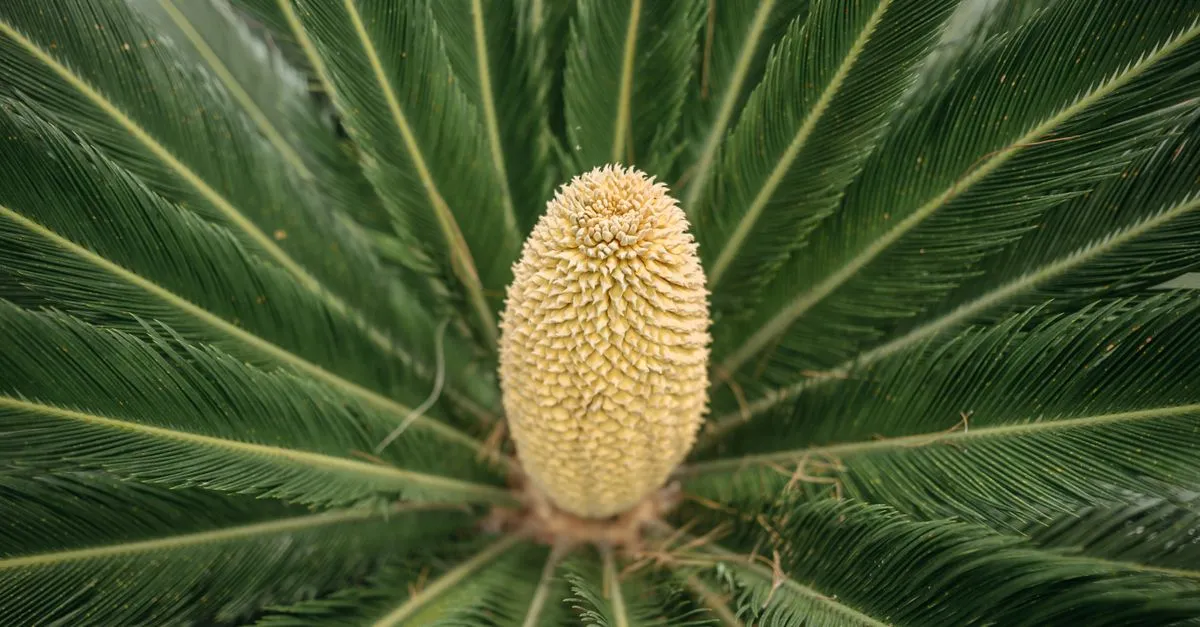
Most guides to sago palm care begin with light and water. This one begins with poison, because Cycas revoluta is one of the very few houseplants where a dog chewing on it is a genuine emergency, and whether it belongs in your home is a decision that comes before anything about keeping it alive. Once that is settled, the care itself is easy.
Every part is poisonous, and the seeds are the worst
The sago palm is not a palm. It is a cycad, an ancient group of plants, and it carries a toxin called cycasin in every part: leaves, trunk, roots, and above all the seeds, which hold the most. The ASPCA lists the clinical signs as vomiting, melena (black, tarry stool), icterus (jaundice), increased thirst, haemorrhagic gastroenteritis, bruising, coagulopathy, liver damage, liver failure, and death.
Most “toxic” houseplants cause drooling and a sore stomach. This one destroys the liver, and a small amount can kill a dog. Dogs are the usual victims because they chew the fibrous trunk and dig up the seeds. Cats and small children are at risk too, but dogs account for most cases.
Suspected ingestion means the vet, now
Do not wait to see whether symptoms appear. They can take hours, and by the time jaundice or bleeding shows, the best treatment window has passed. Go to the vet immediately, or call the ASPCA Animal Poison Control Center on (888) 426-4435 (24 hours, US; a fee may apply). Take a piece of the plant with you and note roughly how much is missing.
If a dog has chewed a sago palm, the right amount of time to spend deciding whether it is serious is none.
The honest recommendation for a home with a dog
If you have a dog that chews, do not own this plant. Not on a shelf, not behind a gate, not “she has never touched the plants before”. A dog that digs in pots will eventually find it, and the cost of being wrong is the dog. The same goes for toddlers who mouth things. The pet-safe houseplant guide lists architectural plants with none of this risk.
If you already own one and cannot rehome it, keep it where the dog genuinely cannot reach, remove any seeds or cones the moment they form, and make sure everyone in the house knows the emergency steps above. Nothing below softens them.
Sago palm care for those who keep one anyway
Light. Bright light with a few hours of direct sun. A south or west facing window suits it. In dim corners the new fronds stretch and the plant slowly weakens.
Soil and pot. A gritty, free-draining mix: cactus mix, or potting mix cut with a third perlite or coarse grit. Terracotta with a drainage hole helps the roots dry out. It is happy slightly pot bound, so repot rarely.
Water. Only when the top few centimetres are dry, then thoroughly, letting the excess drain. In winter cut back hard, to once a month or less. If in doubt, wait.
Feeding. A balanced fertiliser two or three times through spring and summer is plenty. It does not need or reward heavy feeding.
Growth. Very slow: one flush of new leaves a year, sometimes none. That is normal for a plant that lives for decades or longer, and the slow pace and thick trunk are why it is often sold as a bonsai subject. New fronds emerge soft and curled; do not move or turn the plant while they harden.
Yellow fronds and rot: the two complaints that matter
Yellowing older fronds. The lowest leaves yellow and die as the plant ages, often just as a new flush emerges. That is normal; cut them off at the trunk. If many older fronds yellow on a plant that has not been fed in years, suspect a magnesium shortfall: Epsom salts at about a teaspoon per litre of water, once or twice, usually fixes it over a few months. If the newest fronds are yellowing, suspect overwatering first.
Rot. A soft trunk base, a sour smell, or fronds yellowing and collapsing together mean root or crown rot from wet soil, and this is the main way sago palms die. Unpot, cut away soft roots, and repot into dry gritty mix; the root rot guide has the steps. Once the crown itself is soft it rarely recovers, which is why restraint with the watering can matters more than anything else.
Settle the dog question first, then water less than you think
Sago palm care is bright light, gritty soil, and a watering can used sparingly, and the plant repays that with decades of slow, steady growth. The toxicity is the real story: if a dog or small child could reach it, the safe answer is not to have one, and if you keep it anyway, know the emergency number before you need it. Check the pot for fallen seeds every few weeks, and treat a chewed frond as a vet visit, not a wait and see.
Where to go next
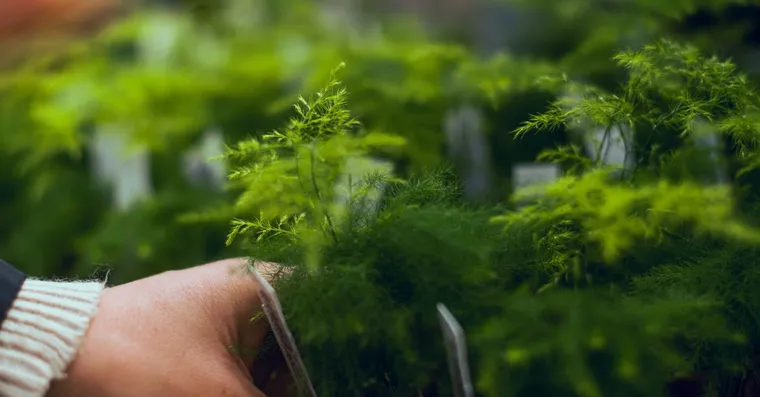
Asparagus Fern Care: Not a Fern, and It Has Thorns
Asparagus fern is not a fern, it is toxic to cats and dogs, and mature stems carry spines. Here is how to grow it and what to know first.
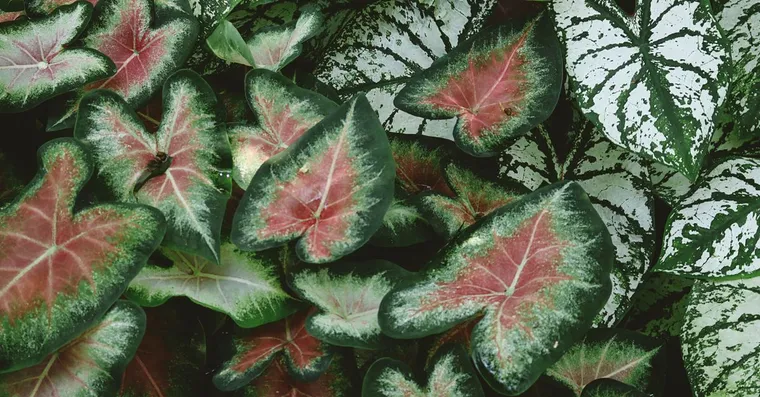
Caladium Care: Bright Leaves, Winter Dormancy, and Toxic Sap
Caladiums die back every winter and that is normal, not failure. Here is how to grow the tubers indoors and why they need care around pets.
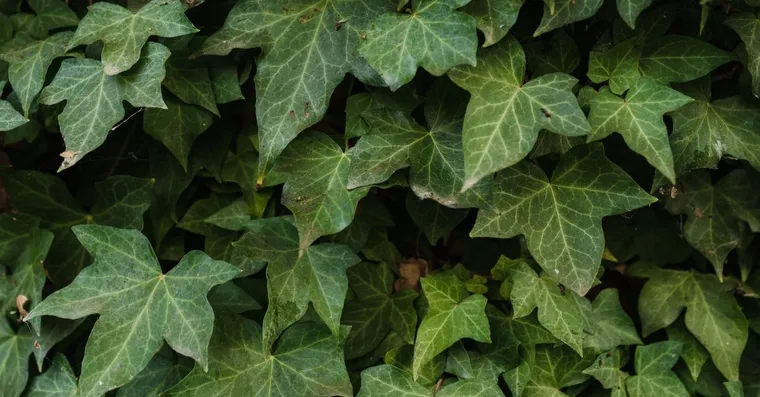
English Ivy Indoor Care: Light, Water, and Keeping It Off the Cat
English ivy grows fast indoors and is toxic to cats and dogs. Here is how to keep it healthy, keep it contained, and decide whether to keep it at all.
Not sure what plant you have? Identify it from a photo and we will point you at its care guide.