Houseplant tools every beginner needs
A no nonsense starter kit for new plant owners: the few tools genuinely worth buying first, the ones you can skip, and roughly what to spend.
Some links in this guide go to Amazon. As an Amazon Associate we earn from qualifying purchases, at no extra cost to you. How this works.
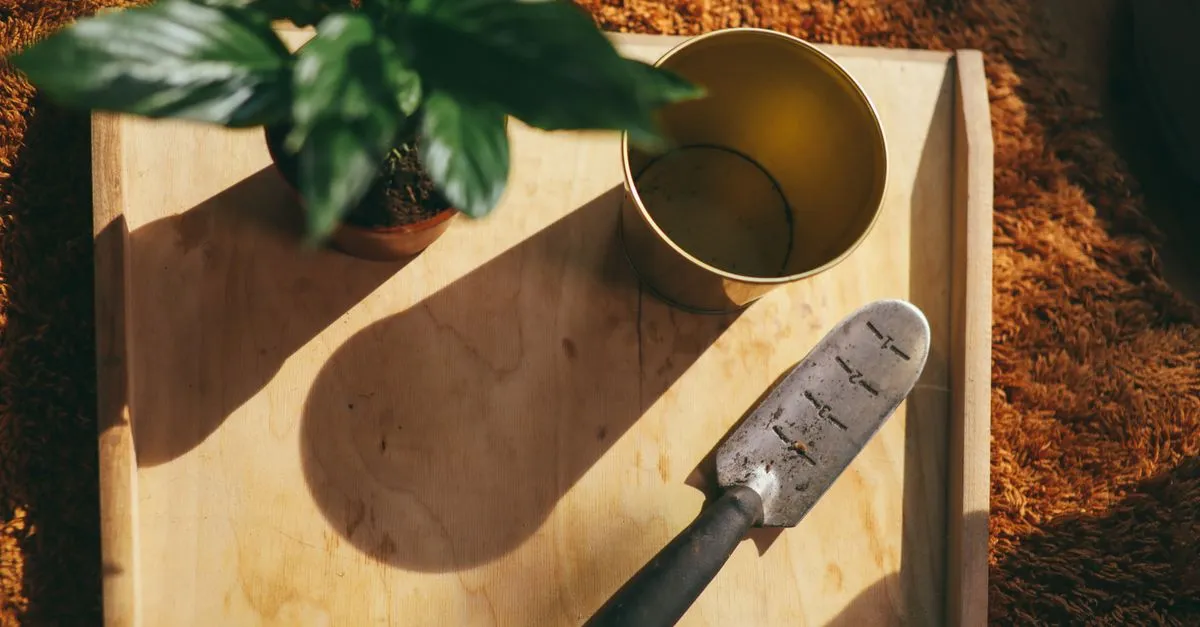
Most beginner tool kits sell you a problem you do not have. The honest truth about houseplant tools for beginners is that you need very few of them, and the ones that matter are cheap. Buy a small starter set, learn what you actually reach for, and add the rest only when a real need shows up.
The houseplant tools for beginners that actually earn their place
Start here, in rough order of how often you will use each one.
A long spout watering can. This is the one tool worth buying properly. A narrow, long spout lets you pour slowly at the soil line, under the leaves, without splashing the crown or the furniture. It makes watering calmer and more accurate, which is the single biggest thing that keeps plants alive. A jug works, but a real can works better.
A pair of clean, sharp snips. Small bypass snips or sharp scissors handle pruning, deadheading, and taking cuttings. A clean cut heals faster and invites less rot than tearing a stem by hand. Keep them sharp and keep them clean, and they will see more use than you expect once you start pruning for bushier growth. If you want to compare the main options before buying, see the guide to best pruning snips for houseplants.
Good potting mix and a few pots with drainage. A bag of decent indoor potting mix and a handful of plain nursery pots with drainage holes cover repotting and any plant that arrives in tired soil. Drainage is not optional. A pot without a hole is the most common way beginners drown a plant.
Isopropyl alcohol. A small bottle does two jobs: wiping your snips between plants so you do not spread disease, and dabbing the odd mealybug or scale off a leaf with a cotton bud. It is cheap, and more useful than most things in a padded kit.
Nice to have, once you have a few plants
None of these are urgent. Add them as your collection grows.
A moisture meter, or just your finger. Pushing a finger 3/4 to 1 inch (2 to 3 cm) into the soil tells you most of what a cheap meter does. If you want one anyway, a basic single reading probe is fine. Treat it as a rough guide, not gospel.
A hygrometer, if you keep fussy tropicals. Calatheas, ferns, and the like care about humidity, and a small hygrometer tells you what you are actually working with rather than guessing. For pothos, snake plants, and most beginner plants, you do not need one.
A balanced liquid fertilizer. A single bottle of balanced liquid feed, used at half strength through spring and summer, covers nearly every houseplant. You do not need a shelf of specialist bottles to start.
What to skip at first
Misters. Misting looks caring but barely moves the humidity around a plant, and only for a few minutes. If a plant genuinely needs humidity, a pebble tray or a humidifier does the real work. The honest reality is that misting is a habit, not a fix.
Gimmicky multi readers. The cheap probes that claim to read moisture, light, and pH at once tend to do all three badly. One reliable reading beats three unreliable ones.
Oversized tool sets. The boxed kits with a dozen miniature trowels, rakes, and forks are made for a windowsill, not a garden. You will use two pieces and store the rest.
A starter budget, and growing into it
You can put together everything in the first tier for a modest amount, less than the price of one trendy plant. Start small, use what you buy, and let real needs pull in the next tool rather than buying ahead. A second snip, a bigger watering can, or a propagation jar will make sense when you find yourself reaching for it.
The best tool is attention: a consistent watering habit beats any gadget on the shelf.
You also do not need to buy everything new. A kitchen fork loosens compacted soil, an old mug waters in a pinch, and a clear glass jar roots cuttings as well as any kit. Repurpose while you learn what you actually use.
Let the next tool earn its place
If you buy nothing else this month, buy the long spout can and a sharp pair of snips, then stop and use them for a few weeks before adding anything. The mistake that costs beginners money is buying the padded kit up front and growing into two pieces of it; let a tool prove it is needed by the moment you wish you had it. When that moment comes, you will know exactly which one to reach for and why.
Where to go next
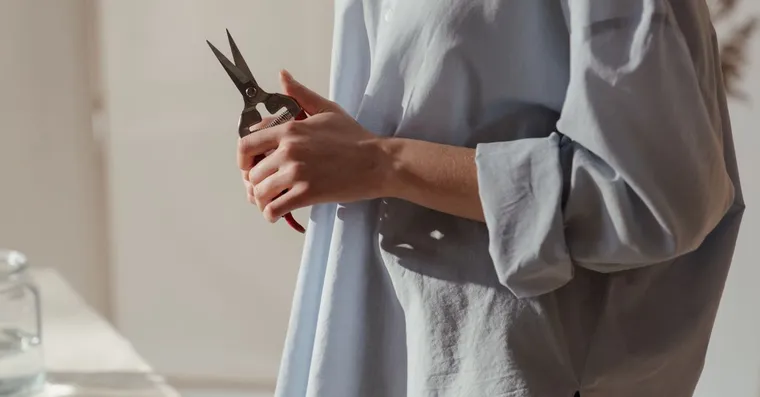
Best pruning snips for houseplants
Choosing scissors and snips for indoor plants: bypass versus precision blades, why sharp and clean matters, and what to look for in a pair you will use.
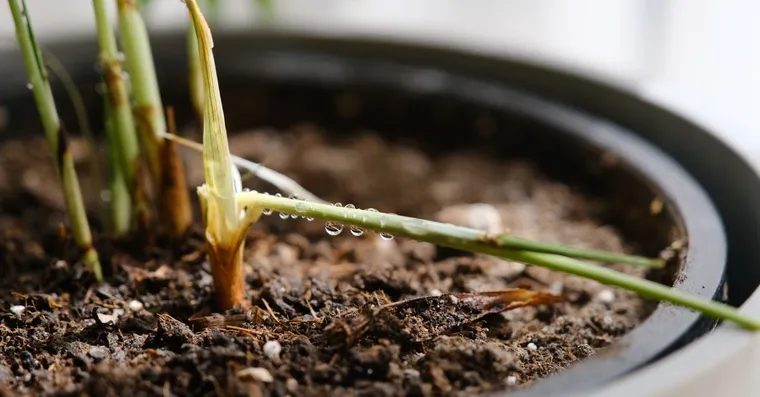
Best soil moisture meters for houseplants
Are moisture meters worth it? A buying guide to soil moisture meters for indoor plants, what the cheap ones get wrong, and how to use one without being misled.
Best fertilizer for houseplants
A buying guide to houseplant fertilizer: liquid versus slow release versus organic, what the NPK numbers mean for indoor plants, and how often to feed.
Not sure what plant you have? Identify it from a photo and we will point you at its care guide.