How to Propagate a ZZ Plant (and Why It Takes So Long)
How to propagate a ZZ plant by division or leaf cuttings, why leaf cuttings take many months to form a rhizome, and how to keep your patience.
Some links in this guide go to Amazon. As an Amazon Associate we earn from qualifying purchases, at no extra cost to you. How this works.
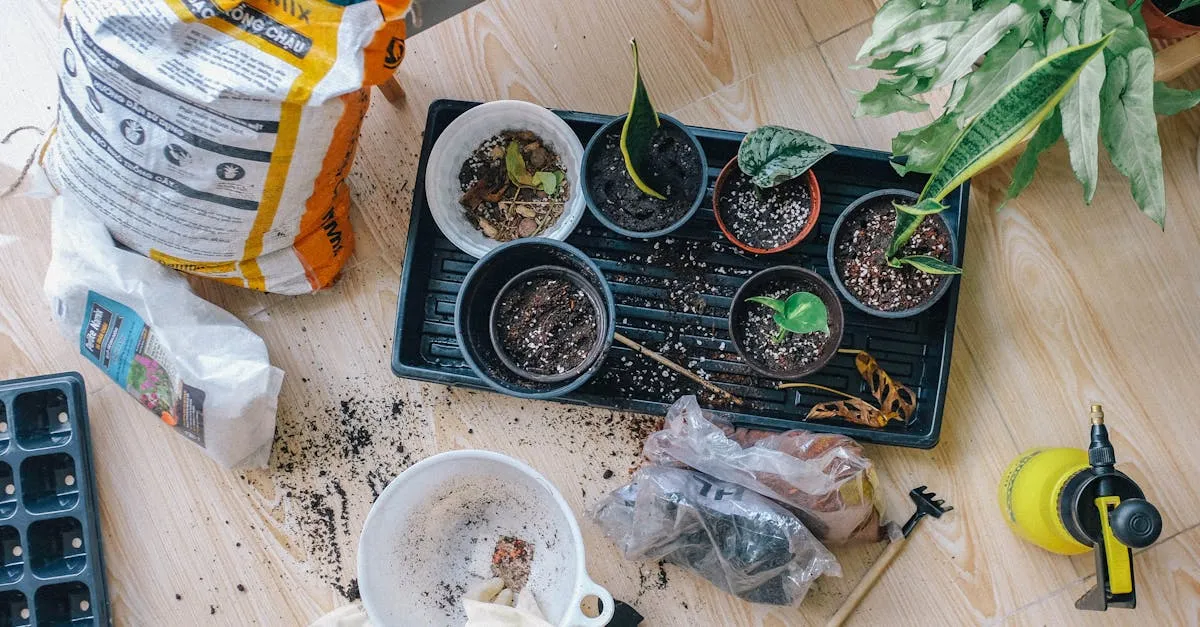
The ZZ plant is one of the toughest houseplants you can own, but propagating it tests your patience like nothing else. If you want to know how to propagate a ZZ plant, the honest answer comes in two speeds: division gives you a finished plant in an afternoon, while leaf cuttings can take the best part of a year before anything green appears above the soil. This guide covers both, and explains why the slow method is so slow.
Quick answer
There are two speeds. Division gives you a finished plant in an afternoon: tip out an established ZZ, find the clusters where one or more rhizomes carry their own roots and at least one stem, pull them apart by hand where you can, and pot each division separately. Leaf cuttings are easy to start and very slow to finish, commonly three to nine months and sometimes longer, because a new rhizome has to form and store energy before any shoot appears. Take whole leaves with a tiny bit of stem, let the cut end callus for a few hours, then set them in damp gritty mix or shallow water somewhere warm and bright, out of direct sun. Rooting hormone makes little difference here, since the limiting factor is rhizome formation rather than root initiation. A firm, green leaf that has done nothing visible is still on schedule.
Why ZZ plant propagation takes so long
The ZZ plant (Zamioculcas zamiifolia) stores water and energy in fat underground tubers called rhizomes. A new plant cannot grow until a new rhizome forms, and the plant treats rhizome-building as a slow, low-priority job. A single leaf placed in soil or water will sit there looking unchanged for weeks, then gradually swell a small potato-like rhizome at its base. Only once that rhizome has stored enough energy does it push up a shoot.
That whole process commonly takes three to nine months, and sometimes longer. This is the slowest propagation of any common houseplant. Pothos roots in a week or two; a ZZ leaf can take half a year to do less. Nothing you do speeds the biology up much, so the main requirement for leaf cuttings is simply patience.
Division: the fast and reliable method
If you want more plants quickly, divide an established ZZ. A healthy, slightly crowded plant will have several rhizomes, each with its own stems and roots, and these separate cleanly.
- Water the plant a day or two before so the rootball slides out of the pot more easily and the rhizomes are firm rather than brittle.
- Tip the plant out and brush away loose soil until you can see the chunky rhizomes and how the stems connect to them.
- Find the natural divisions. You are looking for clusters where one or more rhizomes have their own roots and at least one stem. Pull these sections apart by hand where you can.
- Cut only where you must, using a clean, sharp knife. Each division needs a piece of rhizome, some roots, and ideally a stem or two.
- Pot each division into its own container of free-draining mix, at the same depth it sat before, and water lightly.
Each division is already a working plant, so it carries on growing straight away. This is the practical choice whenever you actually want a new plant in a reasonable timeframe. If you are nervous about handling the rootball, our guide to dividing houseplants walks through the same process for other species.
Leaf cuttings: slow, but easy to start
Leaf cuttings are worth trying if you want lots of plants from one leaf, or you simply enjoy the experiment. The starting steps take minutes; the waiting takes months.
- Take whole leaves with a tiny bit of stem. Gently pull or cut individual leaflets from a healthy stem, keeping the small base intact, as the rhizome forms there.
- Let the cut end callus for a few hours so it is dry to the touch. This lowers the chance of rot.
- Choose soil or water. Push the base about half an inch (1 cm) into damp, gritty mix, or stand it in a shallow glass of water. Both work; the wider debate on water versus soil rooting applies here too, though with ZZ the result is equally slow either way.
- Put it somewhere warm and bright, out of direct sun, and then mostly leave it alone. Top up water or lightly moisten soil, and resist the urge to keep pulling the leaf out to check.
With a ZZ leaf, the rhizome forms first and the shoot comes last, so a bare-looking cutting is usually working, not failing.
Rooting hormone makes little difference here, because the limiting factor is rhizome formation, not root initiation. You can skip it; see whether rooting hormone is worth using for the wider picture.
What patience actually looks like
Expect to wait. For the first few months a leaf cutting will look static, and that is normal as long as it stays firm and green. A shriveled, soft, or blackened leaf has rotted and should be discarded. A leaf that is plump but doing nothing visible is fine; tip it out gently after a few months and you may find a pale rhizome the size of a pea forming below.
Setting a reminder and walking away
If you only have the patience for one method, divide an established plant in spring or early summer when warmth gives every section the best start, and save leaf cuttings for when you genuinely do not mind waiting. The mistake that kills most ZZ cuttings is not neglect but interference, so once a leaf is potted, mark a date three or four months out and leave it untouched until then. A firm, green leaf that has done nothing visible is still on schedule, and that first pea-sized rhizome is the real sign your patience has paid off.
Where to go next
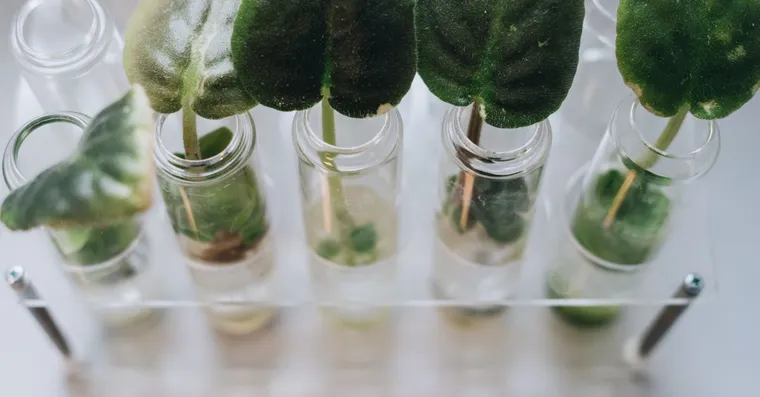
Best propagation stations for houseplants
A buying guide to propagation stations: which vessel suits water rooting, what actually helps roots form, and when a jam jar does the same job for free.
Air Layering Houseplants: Propagating Big Plants Without the Risk
How to air layer a houseplant to root a stem before you cut it, the method step by step, and why it suits leggy monsteras, rubber plants, and fiddle leaf figs.
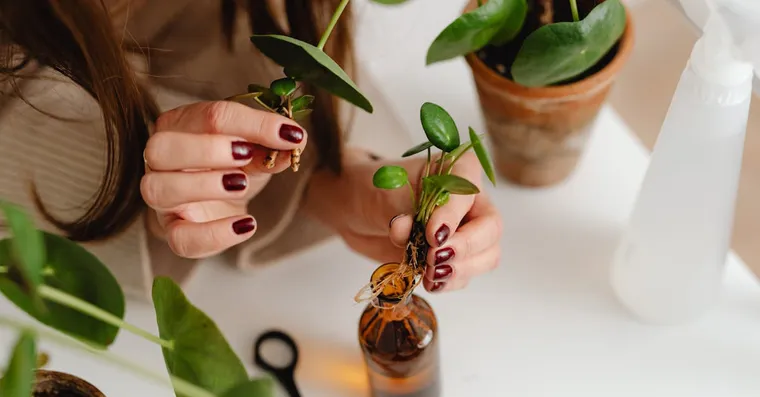
Do You Need Rooting Hormone to Propagate Houseplants?
What rooting hormone does, which cuttings actually benefit from it, and an honest take on whether most houseplant propagation needs it at all.
Not sure what plant you have? Identify it from a photo and we will point you at its care guide.