Perlite vs Vermiculite: Which One Your Houseplants Need
Perlite adds drainage and air, vermiculite holds water and nutrients. They do opposite jobs, so the right choice depends on the plant in front of you.
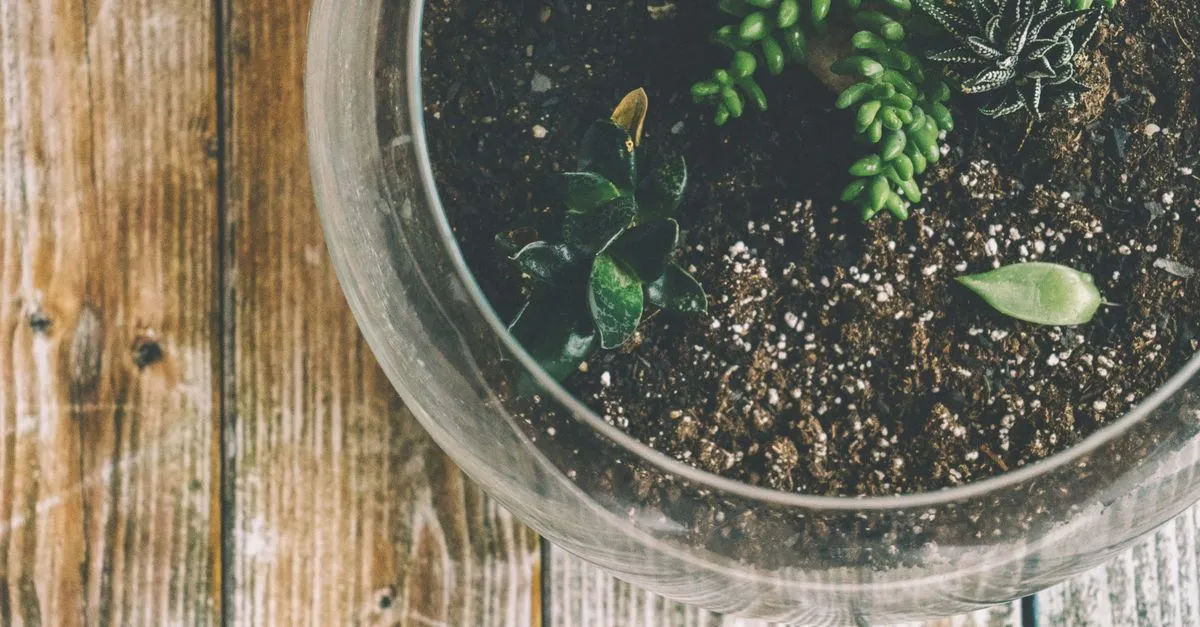
Two white-ish bags on the garden centre shelf, both light as air, both labelled as soil amendments: perlite and vermiculite. In a perlite vs vermiculite comparison the important thing is that they do opposite jobs, so swapping one for the other undoes the effect you wanted. Perlite adds air and drainage. Vermiculite holds water. For most houseplants indoors, perlite is the one you want.
What perlite actually is and does
Perlite is volcanic glass that has been heated until the trapped water inside flashes to steam and pops it, like popcorn. The result is chalk-white, hard, crunchy between your fingers, and almost weightless.
In a mix, it does one thing well: it makes space. Each granule is rigid and irregular, so it props soil particles apart and creates air pockets that stay open even after the mix settles. Water drains through those channels rather than sitting in them, and roots get the oxygen they need to keep functioning.
It holds almost no water and no nutrients. A little clings to the pitted surface, but perlite is chemically inert. It will not feed your plant and it will not lock up your fertiliser. That neutrality is a feature: you control moisture with your watering, not with the amendment.
What vermiculite actually is and does
Vermiculite is expanded mica. Heating splits the mineral into accordion-like layers, giving soft, brownish-gold flakes you can crush between finger and thumb.
Those layers hold water. Vermiculite can absorb several times its own weight and release it slowly, keeping a mix evenly damp for far longer than the same mix with perlite.
It also holds nutrients. Vermiculite has real cation-exchange capacity, meaning it grabs positively charged nutrients like potassium, magnesium and calcium and hands them back to roots over time. It is a genuine buffer, not just a sponge.
Choosing between perlite vs vermiculite for a houseplant
Default to perlite. The way indoor plants usually die is roots sitting in soil that stays wet too long, because a pot indoors dries slowly with no wind and weak light. Perlite fixes exactly that. Vermiculite makes it worse. This holds for pothos, monstera, philodendron, snake plants, succulents, hoyas, ficus, and nearly everything else on a shelf.
Use vermiculite for seed starting. Seeds need constant moisture and have no root system to drown yet. A vermiculite-heavy medium keeps them damp without daily attention.
Use vermiculite for propagation and for plants that hate drying out. Cuttings rooting in a tray, and thirsty growers like ferns, calatheas and fittonia, all benefit from a mix that stays damp between waterings. Even here, keep it modest: a handful stirred into a normal mix, not a pot full of the stuff.
Skip both if your problem is the soil itself. Adding perlite to a dense, peat-heavy bagged compost helps less than starting from a better base. Our guide to choosing the right potting mix covers what to build on.
The practical things nobody mentions
Perlite floats. Water from the top and the white specks rise and gather on the surface, which looks untidy but changes nothing underground. Bottom watering avoids it. So does a thin layer of grit or bark on top.
Both are dusty, and perlite dust is worth respecting. It is fine silica dust, an irritant to lungs and eyes. Dampen the bag with a spray of water before you tip it out, mix outdoors or by an open window, and wear a mask. This is not overcaution: bulk handling of perlite has real respiratory exposure limits.
Get the ratio right. One part amendment to three or four parts mix suits most houseplants. Aroids and anything prone to root rot can take more perlite, up to a third of the volume. Vermiculite rarely wants to go past a quarter.
Pumice does perlite’s job without the floating. Horticultural pumice is heavier, stays put, does not crush over time, and holds a touch more moisture. If you can find it and don’t mind the price, use it instead. For how these compare to clay pebbles, see LECA vs perlite.
If your plants keep rotting, add perlite. If they keep crisping, look at your watering and your pot before you reach for vermiculite.
What to change in your next repot
Buy perlite, and buy the big bag: it is the amendment you will use nearly every time you mix soil for an indoor plant. Keep a small bag of vermiculite on the shelf for seed trays, cuttings and the odd fern, and treat it as a specialist tool rather than a general one. When you next repot, mix roughly one part perlite into three or four parts of a decent potting soil and see how much faster the pot dries. If it still stays soggy for a week, the pot size or the drainage hole is your real problem, not the amendment.
Where to go next
Coco Coir vs Peat Moss: Which Is Better for Houseplants?
Coco coir is renewable and rewets easily, peat moss holds more water and is acidic. Here is how they actually behave in a pot indoors.
The Best Soil Mix for a Monstera (and a Simple Recipe)
Monstera roots want a chunky, fast draining aroid mix rather than plain potting soil; here is a simple recipe and what each ingredient does.
LECA vs Perlite for Houseplants: Which to Use and When
What LECA and perlite each do, why one replaces soil and the other improves it, and which suits semi-hydro, drainage, and propagation.
Not sure what plant you have? Identify it from a photo and we will point you at its care guide.
Frequently asked questions
Should I use perlite or vermiculite for houseplants?
Perlite, almost every time. The usual way houseplants die indoors is soil staying wet too long, and perlite fixes that by adding air pockets and speeding drainage. Vermiculite does the opposite, holding water like a sponge, so it makes the common problem worse. Keep vermiculite for seed starting, propagation, and genuinely thirsty plants like ferns and calatheas.
What is the difference between perlite and vermiculite?
They do opposite jobs. Perlite is expanded volcanic glass: white, hard-edged, lightweight, and it creates air pockets that drain fast. Vermiculite is expanded mica: brownish gold, soft, and layered, and it absorbs water and holds nutrients. The bags look similar on the shelf, which is why people buy the wrong one.
Can I use perlite and vermiculite together?
Yes, and for moisture-loving plants it is a reasonable middle ground, because you get some air from the perlite and some water buffering from the vermiculite. For most foliage houseplants it is unnecessary. If you want a mix that both drains and holds moisture, coir plus perlite does the job with fewer bags to buy.
Is perlite dust dangerous?
The dust is a genuine respiratory irritant, so it is worth taking seriously. Dampen the perlite in the bag before you mix it, work outdoors or in a ventilated space, and wear a dust mask. This is not the same as the asbestos concern people sometimes raise, which related to vermiculite from one contaminated Montana mine that closed in 1990.