Coco Coir vs Peat Moss: Which Is Better for Houseplants?
Coco coir is renewable and rewets easily, peat moss holds more water and is acidic. Here is how they actually behave in a pot indoors.
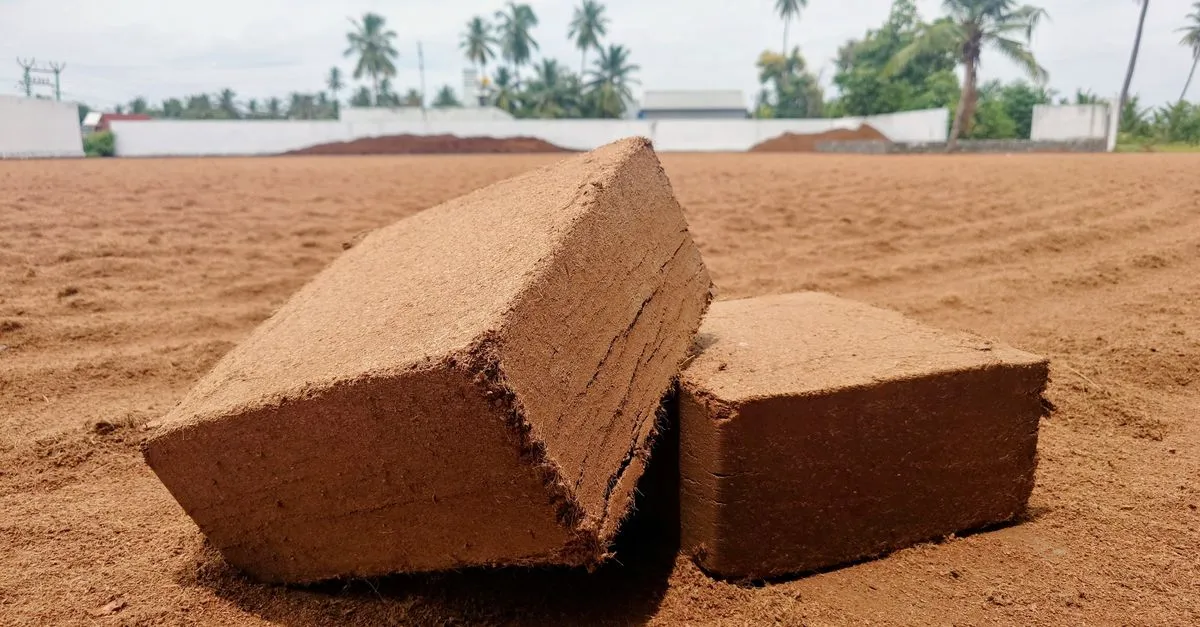
For most indoor growers the answer to coco coir vs peat moss is coir, but not for the reason the packaging usually gives. The environmental case is messier than the marketing suggests, and coir’s real advantage sits somewhere much more ordinary: what happens when you forget to water and the pot dries out completely. Both are perfectly good growing media, so the choice comes down to which failure mode you would rather live with.
Coco coir vs peat moss: how they behave in the pot
Ranked by how much difference each one makes to a houseplant on a windowsill.
Rewetting. This is the whole argument. When peat dries out fully it turns hydrophobic: the surface repels water, and what you pour runs down the gap between the compost and the pot wall and straight out the drainage holes. The plant stays thirsty in soil that looks watered. Coir rewets almost immediately, absorbing water even after it has gone bone dry. If you have ever wondered why water vanishes in seconds and the plant still wilts, that is the mechanism behind hydrophobic potting soil.
The medium that forgives a missed watering is worth more indoors than the medium that holds the most water.
Water and air. Peat holds more water per litre. Coir holds slightly less but far more air, because its fibres and chips keep larger pores open as the pot settles. For indoor plants in low light, where roots suffocate long before they run dry, that extra air is usually the better trade.
pH. Peat is naturally acidic, roughly pH 3.5 to 4.5, which is why bagged peat mixes have lime added to bring them into range. Coir sits near neutral at about pH 5.5 to 6.8 and needs no correction. Nothing to do here either way, but it explains why a homemade peat mix without lime often disappoints.
Nutrients. Coir holds almost none of its own, so a plant potted in coir runs out sooner than one in a peat-based compost with starter fertiliser. Start feeding at quarter to half strength about four to six weeks after potting, and keep it regular through the growing season.
The environmental question, judged on its own
Peat bogs are carbon stores that take thousands of years to form, at roughly a millimetre a year, and they are being cut far faster than they regrow. Harvesting one drains it, and the stored carbon oxidises into the air. That is why the UK banned retail sales of bagged peat compost in 2024 rather than waiting for gardeners to switch voluntarily, with most professional uses following in 2026 and a full ban scheduled for 2030.
Coir is a byproduct. The fibre comes from coconut husks that the coconut industry already produces, so using it puts a waste stream to work rather than mining a habitat.
Why coir is not automatically the green choice
Be sceptical of the halo. Coir travels a long way, usually from Sri Lanka, India or the Philippines, compressed into bricks and shipped across the world. Processing it also takes a lot of fresh water, since the husks must be washed to remove sea salt, and that water is often drawn in places where it is already short.
There is a horticultural catch too. Cheap, poorly washed coir carries high sodium and potassium, and those salts sit on the fibre and displace calcium and magnesium your plant needs. The symptoms look like a feeding problem you cannot fix by feeding.
Buy buffered coir if the bag says so, meaning it has been pre-treated with calcium and magnesium. If it does not say, rinse it yourself: expand the brick in a bucket, let it soak for an hour, drain, then flush it once more with clean water before potting.
A practical mix for indoor pots
Coir on its own compacts and stays wet in a plastic pot with no airflow, so it belongs in a blend rather than straight from the bucket. Three parts coir to one part perlite suits most foliage plants. Go to two parts coir to one part perlite for aroids like monstera and philodendron, or for anything you tend to overwater. Add bark for chunkier drainage if the plant is a climber. For the wider picture on what else goes into a blend, see the guides on choosing the right potting mix and the best potting soil for indoor plants.
What to change at your next repot
Coir is the better default indoors because it recovers from neglect, and peat’s one real advantage, holding more water, is not the problem most houseplants have. Switch when you next repot rather than disturbing a plant that is doing fine. Buy buffered coir or rinse it before use, cut it with perlite, and set a feeding reminder for a month after potting. If leaves start looking pale a few weeks in, that is the coir telling you it holds no food of its own, not that the plant is unwell.
Where to go next
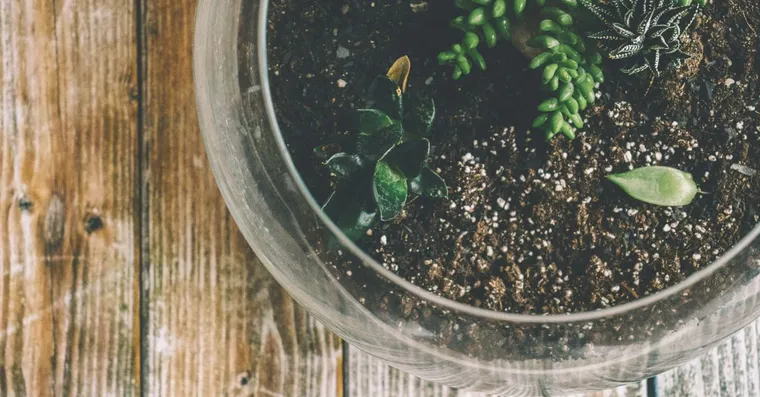
Perlite vs Vermiculite: Which One Your Houseplants Need
Perlite adds drainage and air, vermiculite holds water and nutrients. They do opposite jobs, so the right choice depends on the plant in front of you.
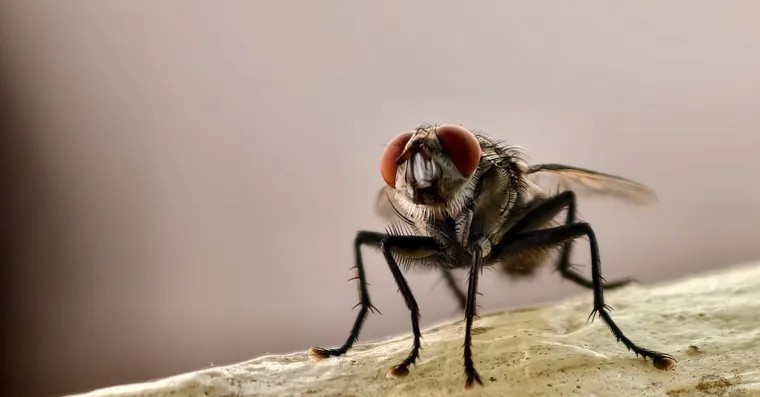
Fungus Gnats vs Fruit Flies: How to Tell Which You Have
Fungus gnats come from your plant pots, fruit flies come from the kitchen. They need completely different treatments, so identify before you treat.
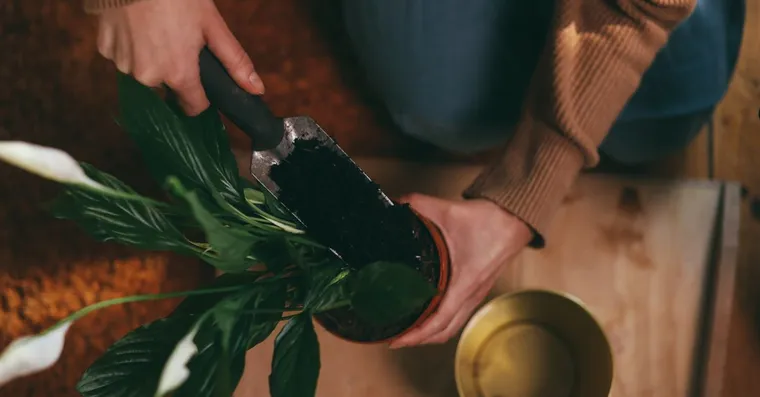
The Best Soil Mix for a Monstera (and a Simple Recipe)
Monstera roots want a chunky, fast draining aroid mix rather than plain potting soil; here is a simple recipe and what each ingredient does.
Not sure what plant you have? Identify it from a photo and we will point you at its care guide.
Frequently asked questions
Is coco coir better than peat moss for houseplants?
For most indoor growers, yes, mainly because of one property: coir rewets easily after it dries, while dried out peat turns hydrophobic and sheds water straight off the surface and down the sides of the pot. That is exactly the failure mode of a forgotten houseplant. Coir also holds more air. The tradeoff is that coir holds almost no nutrients of its own, so you have to feed earlier and more consistently.
Is coco coir more environmentally friendly than peat?
It is better on carbon but not automatically the green choice. Peat bogs are carbon stores that take thousands of years to form and are being cut far faster than they regenerate, which is why the UK banned retail sales of bagged peat compost in 2024, extended that to most professional uses in 2026, and has a full ban scheduled for 2030. Coir is a byproduct of the coconut industry, so it uses existing waste, but it carries real costs in shipping distance and in the large volumes of fresh water needed to wash out sea salt.
Do I need to rinse or buffer coco coir?
Buy buffered coir if you can, and rinse cheap unbuffered coir before use. Poorly washed coir can carry damaging levels of sodium and potassium, and the potassium in particular displaces calcium and magnesium at the root, which shows up as deficiency symptoms even though you have been feeding. Good suppliers state their EC and whether the product is buffered.
What pH are coco coir and peat moss?
Peat is naturally acidic at roughly pH 3.5 to 4.5, which is why bagged peat mixes add lime to correct it. Coir sits near neutral at about pH 5.5 to 6.8, close to what most houseplants want, so it needs no correction. If you mix your own peat-based medium and skip the lime, the acidity will lock out nutrients.