Why Is My Pothos Drooping or Curling?
Why pothos leaves droop or curl, how to read the difference between thirst and overwatering, and the fixes that bring it back.
Some links in this guide go to Amazon. As an Amazon Associate we earn from qualifying purchases, at no extra cost to you. How this works.
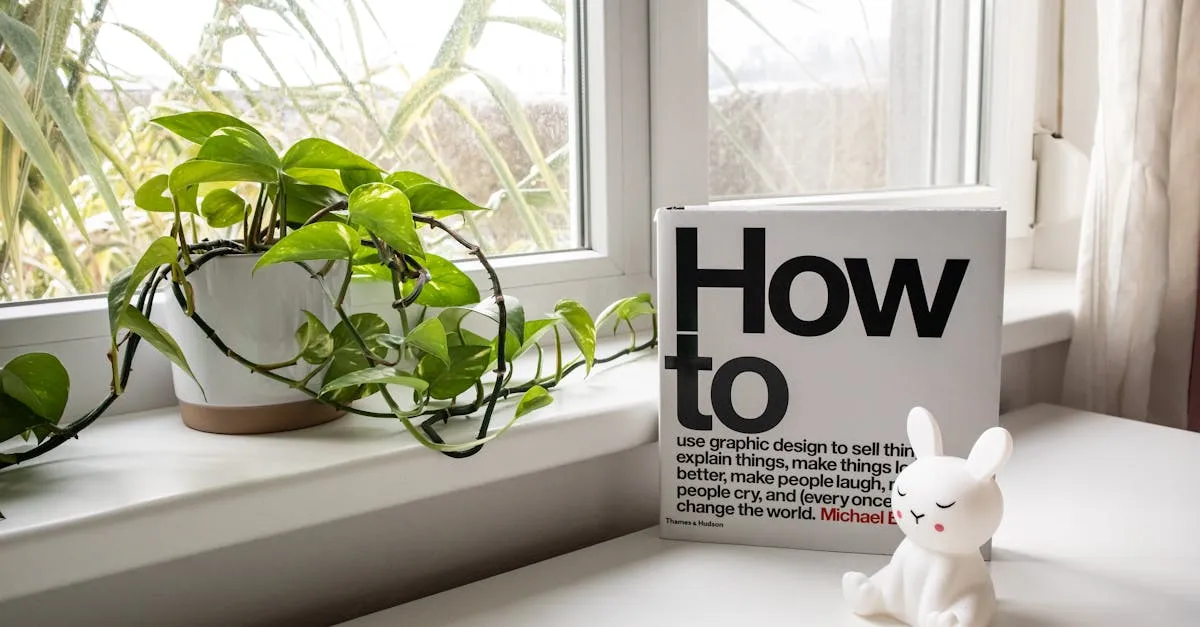
A drooping pothos looks alarming, but it is one of the easier houseplant problems to diagnose. If you are asking why is my pothos plant drooping, the answer is almost always about water: either the plant is thirsty, or the roots are sitting in soil that never dries. Those two causes look similar on the surface and need opposite fixes, so the first job is to tell them apart.
Quick answer
Drooping and curling can mean either thirst or overwatering, and the two look the same, so feel the soil before you water. Dry soil in a pot that lifts light means a thirsty plant: water it thoroughly and it usually firms up within hours, which is your confirmation it was thirst. Soil still damp and heavy days after watering, especially with a sour smell, means overwatering, so check the roots for rot rather than adding water. The two need opposite fixes, so never guess from the leaves alone. Match your soil reading to the cause below.
The two causes that look the same
Both underwatering and overwatering make a pothos go limp, soft, and curl its leaves inward. That is why guessing is risky. Water a plant that is already waterlogged and you make the problem worse.
The fastest way to separate them is to feel the soil. Push a finger in to the second knuckle, about 2 inches (5 cm) deep.
- Dry soil, light pot. The mix is dry most of the way down and the pot feels noticeably light when you lift it. This is a thirsty plant.
- Wet soil, heavy pot. The mix is still damp days after watering, the pot feels heavy, and there may be a sour smell. This is overwatering, and possibly root rot.
If the soil is wet, tip the plant out and look at the roots. Healthy roots are firm and pale. Rotting roots are brown, mushy, and may slide off when you touch them.
Why a thirsty pothos droops, and how fast it recovers
A pothos is mostly water held up by pressure inside its cells. When the soil dries out completely, that pressure drops and the stems and leaves go soft. It is the plant’s clearest signal that it wants a drink.
The honest, useful part: a genuinely thirsty pothos perks up fast. Water it thoroughly until liquid runs from the drainage holes, and within a few hours the leaves lift and firm up again. By the next morning it usually looks normal. This recovery speed is the single best confirmation that thirst, not rot, was the problem.
Do not let it reach this point often. A pothos that dries to a droop every week is being stressed unnecessarily. See How Often Should You Water a Pothos for a watering rhythm that avoids the cycle.
A thirsty pothos rebounds in hours, a soggy one does not rebound until the soil dries.
Why is my pothos plant drooping when the soil is already wet
This is the harder case. If the soil is damp and the plant still droops, watering is not the fix. Wet soil starves roots of oxygen, the roots begin to die, and dead roots cannot move water to the leaves. The plant droops in the middle of plenty.
What to do:
- Stop watering and let the mix dry. Move the plant somewhere brighter and warmer so the soil dries faster. Do not water again until the top inch or two (3 to 5 cm) are dry.
- Check for root rot. If roots are brown and mushy, trim every soft root with clean scissors and repot into fresh, well-draining mix. The root rot guide walks through this, and how to save an overwatered plant covers the full recovery.
- Fix the drainage. A pot with no drainage hole, or a dense, water-retaining mix, causes this to repeat. Repot into a container that drains and a chunkier mix.
A pothos recovering from root rot does not bounce back in hours. Expect days, and expect to lose a few leaves along the way.
Other reasons leaves curl or droop
Water explains most cases, but not all. Rank these after you have ruled out the soil.
- Heat and dry air. A pothos near a radiator or in a hot, dry room may curl its leaves to reduce water loss, even with damp soil. Move it away from the heat source.
- Too much direct sun. Harsh midday sun scorches and curls leaves. A pothos wants bright, indirect light.
- Cold or drafts. A pothos sat by a cold window or an open door in winter can droop from the chill. It prefers normal room temperature.
- Pests. Check leaf undersides for spider mites, which curl leaves as they feed. Fine webbing and stippling give them away.
- Recent repotting. A plant moved into a much larger pot often sulks for a week or two while roots settle. This passes on its own.
Check the soil before you reach for the watering can
The single mistake that turns a droop into a dead plant is watering on sight without feeling the soil first, so make the finger test your reflex every time the leaves go soft. If the mix is dry the plant will firm up within hours of a thorough soak; if it is wet, hold off, improve the drainage, and judge progress over days rather than minutes. Once you have matched your watering to how fast the pot actually dries, the dramatic droops stop happening in the first place.
Where to go next
Why Are My Houseplant Leaves Drooping? How to Diagnose It
A diagnostic guide to drooping houseplant leaves, covering thirst, overwatering, light, temperature, and repotting shock, and how to tell them apart.
How Often Should You Water a Pothos? A Practical Guide
Pothos does not run on a fixed schedule. Here is the simple check that tells you when to water: push a finger 1 to 2 inches (3 to 5 cm) into the soil, not just the surface.
Why Is My Monstera Turning Yellow? Causes and Fixes
Yellow leaves on a monstera usually mean a watering problem, but light, feeding, and age all matter; here is how to tell them apart.
Not sure what plant you have? Identify it from a photo and we will point you at its care guide.