How to Propagate a Fiddle Leaf Fig From a Cutting
How to propagate a fiddle leaf fig from a stem cutting, why a single leaf will not work, and the slow rooting that makes air layering the safer option.
Some links in this guide go to Amazon. As an Amazon Associate we earn from qualifying purchases, at no extra cost to you. How this works.
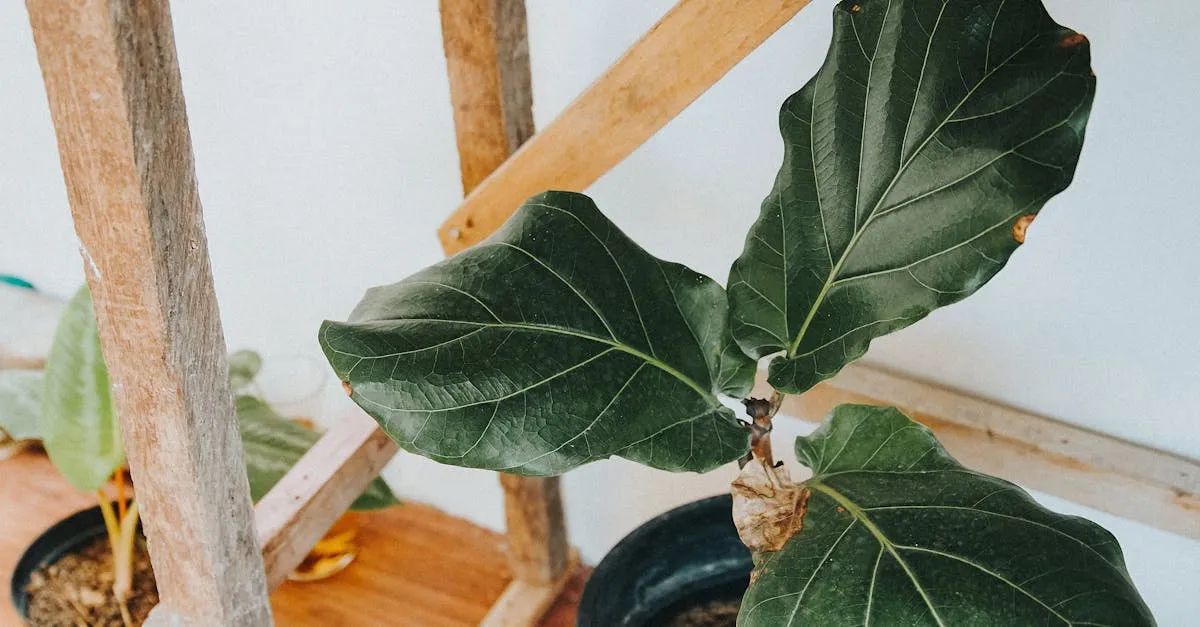
Propagating a fiddle leaf fig is doable, but it is one of the slower and fussier houseplants to root, so set your expectations before you cut. The short version of how to propagate a fiddle leaf fig is this: take a stem cutting that includes at least one node and a leaf, root it in water or soil over several weeks, then be patient. A single leaf with no node will root and sit there looking healthy for months, but it will never become a new plant.
Why the node is everything
A node is the point on the stem where a leaf and its bud meet. It holds the meristem tissue that can grow new roots and, crucially, new stems and leaves. A leaf on its own has neither.
This is the most common mistake with fiddle leaf figs. People pop a pretty leaf into water, watch it grow a few roots, and assume it is working. It is not. Without a node, that leaf has no way to push out new growth, and it will eventually rot or stall. Every successful cutting must include a section of stem with at least one node.
Taking the cutting
Use clean, sharp secateurs or a knife. Wipe the blade with rubbing alcohol first to avoid introducing disease.
- Choose the stem. Pick a healthy, semi-woody branch. A tip cutting with the growing point roots most reliably, but a mid-stem section works too.
- Cut for length. Aim for a cutting around 6 to 8 inches (15 to 20 cm) long with one or two leaves and at least one node below them.
- Reduce the leaves. Large fiddle leaf fig leaves lose a lot of water. Keep one or two, and if the leaves are huge, you can cut each remaining leaf in half across to lower the demand on the cutting.
When you cut, the plant bleeds a milky white sap. This sap is irritating to skin and eyes, so wear gloves and wash your hands after. The same compound makes the plant mildly toxic to cats and dogs if chewed, causing mild mouth and stomach irritation, so keep cuttings and trimmings out of their reach. Our pet-safe houseplants guide covers safer options if that is a concern.
Rooting in water or soil
Both methods work. Water lets you watch progress, soil avoids the shock of transferring fragile roots later. There is more on the trade-offs in propagating in water vs soil.
Water. Place the cutting in a clean jar with the node submerged and the leaves above the waterline. Put it somewhere bright and warm, out of direct sun. Change the water every few days so it stays fresh. Roots usually appear in four to eight weeks, sometimes longer. Pot up once roots reach an inch or two (3 to 5 cm).
Soil. Dip the cut end in rooting hormone if you have it, then push the node into a small pot of free-draining mix. Keep it lightly moist and warm, and cover loosely with a clear bag to hold humidity. You will not see roots, so tug gently after six to eight weeks to feel for resistance.
Warmth matters more than anything else here. Fiddle leaf figs are tropical and root slowly below roughly 70°F (21°C), so a warm spot speeds things up noticeably. Rooting hormone is optional but can improve your odds with a temperamental plant like this.
Air layering, the more reliable route
If you want a near-guaranteed result, or you want a larger plant rather than a tiny one, air layering beats a cutting for fiddle leaf figs.
Air layering grows roots while the stem is still attached to the parent, so the new plant is never cut off from its water supply during the risky rooting phase.
You wound a section of stem below a node, wrap it in damp sphagnum moss and plastic, and wait for roots to form before you cut it free. It is slower to set up but far more forgiving, and it is how most people propagate a leggy, bare-stemmed fiddle leaf fig successfully. See air layering houseplants for the full method.
Timing your cutting for the best odds
Start in late spring or summer, when warmth does most of the work and the cutting can root before the cooler, slower months arrive. If your plant is already leggy and bare at the base, skip the cutting and air layer instead, since it gives you a fuller plant with far less risk. Whichever route you take, do not rush the move into soil: wait until water roots are an inch or two (3 to 5 cm) long, or the fragile new growth will struggle to settle.
Where to go next
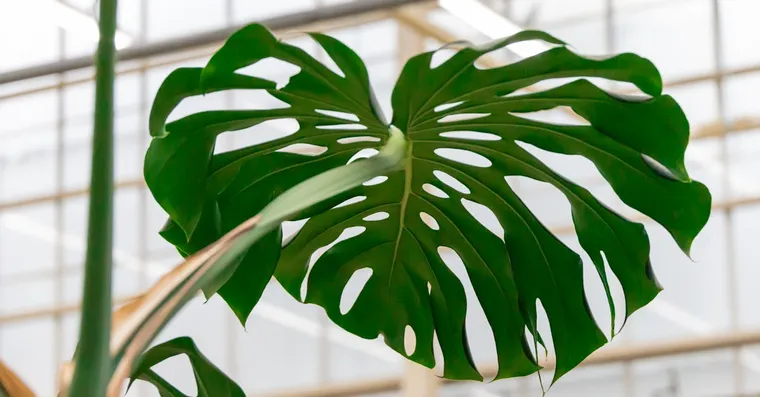
How to Propagate a Monstera From a Cutting
How to propagate a monstera deliciosa from a stem cutting, why the node and aerial root matter more than the leaf, and rooting it in water or straight in soil.
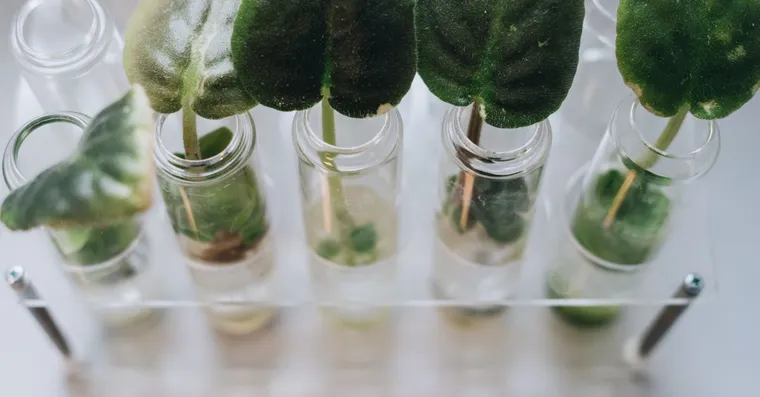
Best propagation stations for houseplants
A buying guide to propagation stations: which vessel suits water rooting, what actually helps roots form, and when a jam jar does the same job for free.
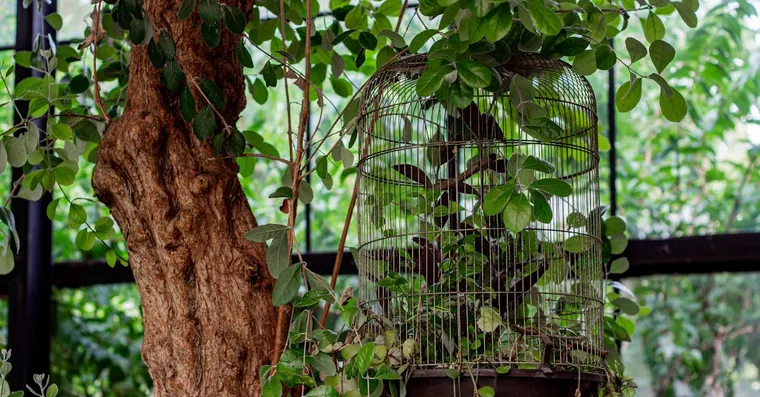
Air Layering Houseplants: Propagating Big Plants Without the Risk
How to air layer a houseplant to root a stem before you cut it, the method step by step, and why it suits leggy monsteras, rubber plants, and fiddle leaf figs.
Not sure what plant you have? Identify it from a photo and we will point you at its care guide.