How to Propagate a Snake Plant: Division vs Leaf Cuttings
The two ways to propagate a snake plant, why division is faster and keeps variegation, and how to root leaf cuttings if you do not mind the wait.
Some links in this guide go to Amazon. As an Amazon Associate we earn from qualifying purchases, at no extra cost to you. How this works.
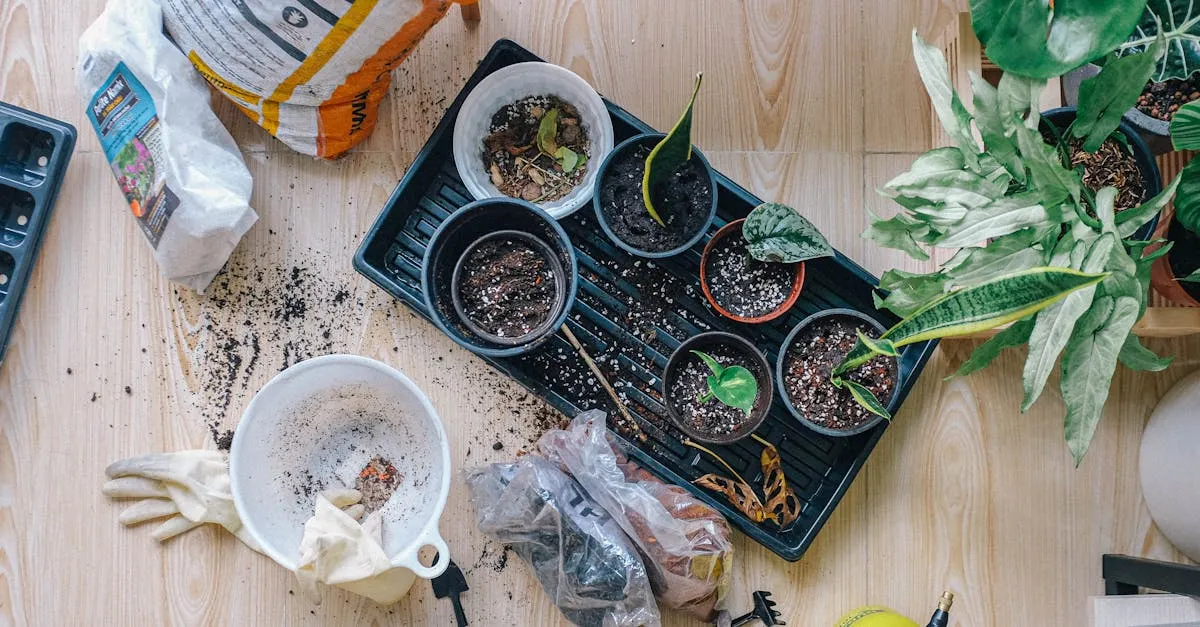
Snake plants are one of the easiest houseplants to multiply, but the method you choose matters more than people admit. If you are learning how to propagate a snake plant, the honest answer is this: division gives you a full plant quickly and keeps the parent’s leaf pattern, while leaf cuttings are simpler but slow, and they will strip the color from any variegated variety. Pick the method that matches what you actually want.
Division vs leaf cuttings: which to choose
Start with one question. Is your plant variegated, meaning it has a yellow edge or pale stripe down the leaf?
If it is variegated, divide it. Varieties like Sansevieria ‘Laurentii’ carry their yellow edge in the parent plant’s tissue, not in the genetics of a single leaf. A leaf cutting from a variegated snake plant almost always grows back as plain green. That golden margin is gone. Division is the only reliable way to keep it.
If it is plain green and you want a finished plant fast, divide it. Division hands you an established clump with roots already attached. It looks like a real plant straight away.
If it is plain green and you just want more plants from one leaf, take cuttings. This is the cheapest route, you can get several plants from a single long leaf, and it needs almost no kit. The trade-off is patience, which we will get to.
Variegation lives in the plant, not the leaf, so a cut leaf forgets its color.
How to divide a snake plant
Division is the better method for most people. Spring or summer is ideal, when the plant is in active growth.
- Slide the plant out of its pot. Lay it on its side and ease the root ball free. Brush off loose compost so you can see the rhizomes, the thick horizontal stems that connect the leaf clusters.
- Find the natural splits. A mature snake plant is several separate growths joined underground. Look for clumps of leaves with their own roots.
- Separate the sections. Pull gently apart by hand where you can. Where rhizomes are too tough, cut through them with a clean, sharp knife. Each new section needs at least one leaf and a healthy bit of root.
- Pot each division. Use a free-draining mix, ideally a cactus or succulent compost, in a pot only slightly larger than the roots. Firm the plant in so it stands upright.
- Wait before watering. Leave it dry for a few days so any cut surfaces can callus, then water lightly. This is the most common point where division goes wrong, because a fresh wound sitting in damp compost invites root rot.
Each division behaves like a normal snake plant immediately, so follow standard snake plant care from day one.
How to propagate from leaf cuttings
Leaf cuttings work in water or in soil. Soil is slightly more reliable because it skips the move from water roots to soil roots.
- Cut a healthy leaf at the base with a clean blade.
- Cut it into sections about 2 to 4 inches (5 to 10 cm) long if you want several plants. This is the step that matters: mark which end pointed down. A snake plant section will only root from the end that was originally lowest. Plant it upside down and nothing happens.
- Let the cuts callus for a day or two until the surfaces are dry to the touch.
- Insert the lower end about 3/4 inch (2 cm) into damp succulent compost, or stand it in an inch or two (3 to 5 cm) of water.
- Keep it warm and bright, out of direct sun, and top up or refresh the water as needed.
Now the honest part. Roots may appear in a few weeks, but a new shoot, called a pup, can take two to four months or longer to push up through the soil. The original leaf section just sits there for what feels like forever. That is normal, not failure. Rooting hormone is optional here and makes little practical difference, as covered in whether you need rooting hormone.
Resist the urge to dig up a leaf cutting
A propagated snake plant fails far more often from impatience than from poor technique. Once a cutting is in its compost, leave it be: lifting it to check for roots snaps off the fragile new growth and resets the clock to zero. If you want a plant you can actually enjoy this year rather than next, divide a clump in spring or summer and treat each piece as the established plant it already is.
Where to go next
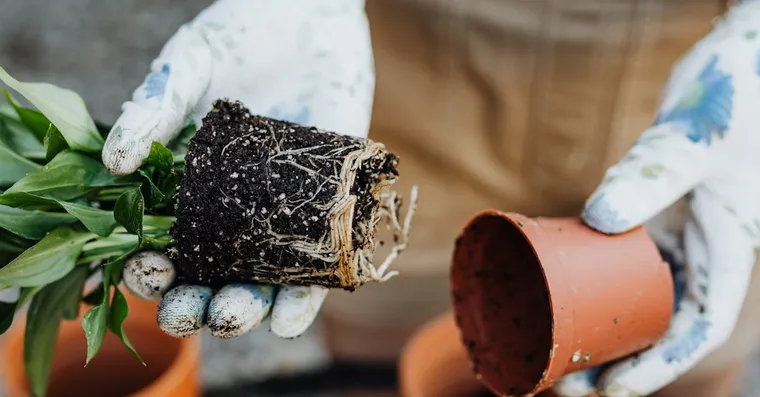
How to Divide Houseplants: Propagation by Splitting the Root Ball
How to propagate clumping houseplants by division, which plants suit it, and how to split the root ball at repotting time without setting the plant back.
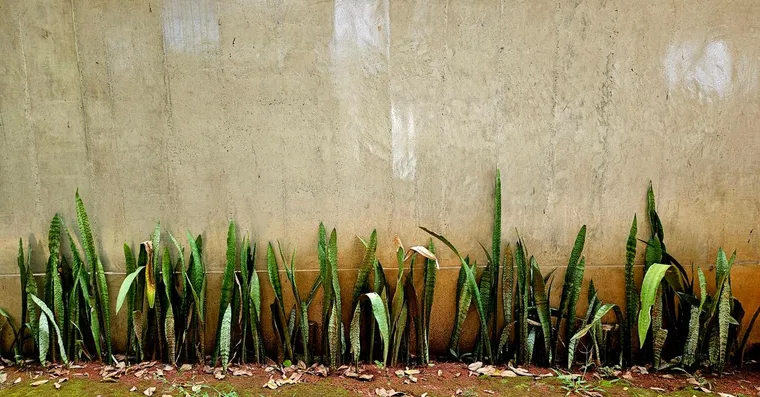
Why Are My Snake Plant Leaves Wrinkled or Shrivelled?
Wrinkled snake plant leaves usually mean the plant cannot take up water, which is more often root rot than thirst. Here is how to tell the two apart.
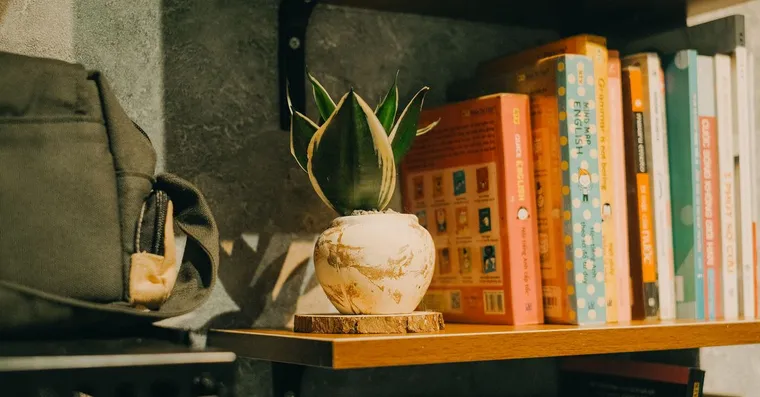
Snake Plant Benefits, Bedroom Air, and Feng Shui Meaning
Snake plants get credit for cleaning air, releasing oxygen at night, and bringing good feng shui; here is what holds up and what is overstated.
Not sure what plant you have? Identify it from a photo and we will point you at its care guide.