How to Propagate a Spider Plant From Its Babies
How to propagate a spider plant from the plantlets, or spiderettes, it sends out, rooting them in water or soil while still attached or after cutting.
Some links in this guide go to Amazon. As an Amazon Associate we earn from qualifying purchases, at no extra cost to you. How this works.
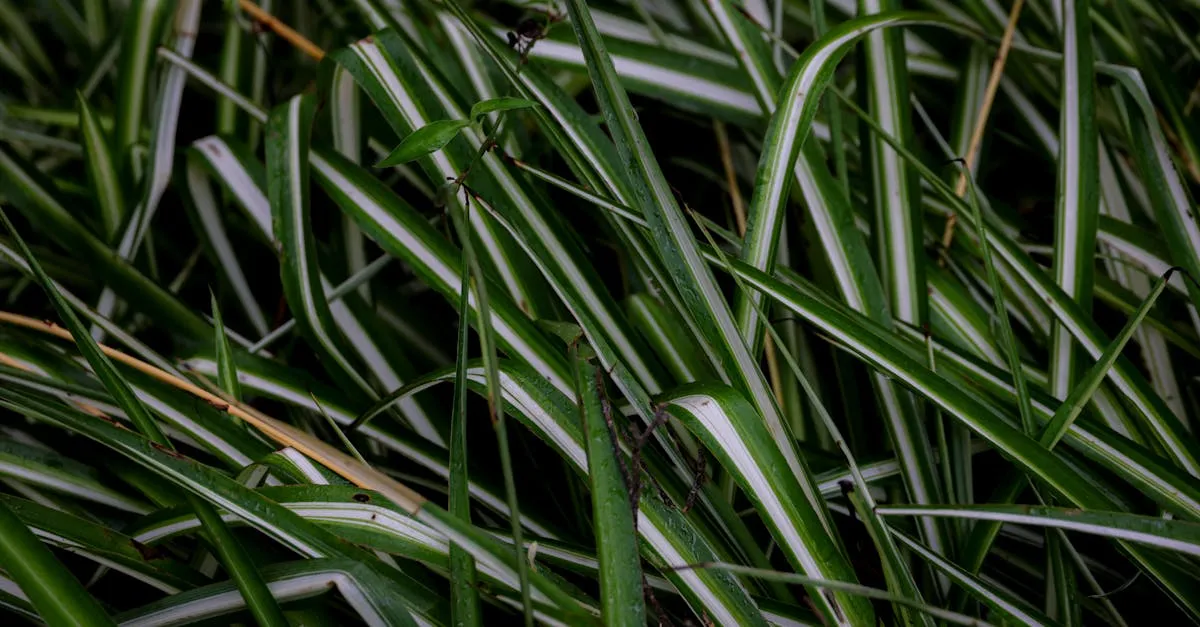
Spider plants are the easiest houseplant to propagate, full stop. The plant does almost all the work for you: a healthy, mature spider plant sends out long stems tipped with miniature versions of itself, and each one is ready to become a new plant. So when people ask how to propagate a spider plant, the honest answer is that you barely need to do anything. Your only real decision is whether to root the baby before you cut it off or after.
Where the babies come from
Those long arching stems are called runners, and the small plants on the ends are plantlets, often nicknamed pups or spiderettes. A mature spider plant produces them readily once it is established and getting enough light. If your plant has never made a single baby, it is usually too young, sitting in light that is too low, or being repotted too often into oversized pots.
Here is the useful quirk: spider plants tend to produce more runners when they are slightly pot-bound. A plant whose roots fill its container is a little stressed in a productive way, and it responds by sending out pups. So resist the urge to keep moving it into bigger and bigger pots. A snug pot and decent light will give you more babies than a roomy one. The same conditions that keep the parent thriving are covered in our spider plant care guide.
You can spot a plantlet that is ready when it has a small cluster of stubby aerial roots, little nub-like roots, at its base. It does not need them to root, but they speed things up.
How to propagate a spider plant: the three methods
The methods differ only in when and where the baby forms roots. They are ranked here from most reliable to least.
Root while still attached (most reliable). Leave the plantlet on the runner and set a small pot of moist potting mix next to the parent. Nestle the base of the baby onto the soil surface and hold it in place with a bent paperclip or a small stone. Because the runner keeps feeding the pup while it roots, almost nothing can go wrong. After two to three weeks, give it a gentle tug. When it resists, roots have formed, and you can snip the runner to free it.
Root in water. Cut the plantlet from the runner, leaving a short stub of stem at its base. Sit it in a glass so the base touches the water but the leaves stay dry. Roots usually appear within one to two weeks. Once they reach about 1 to 2 inches (3 to 5 cm), pot it into soil. This method is popular because you can watch the roots grow, but moving a water-rooted plant into soil causes a brief check in growth while it adjusts. If you want to weigh that trade-off properly, see propagating in water vs soil.
Root directly in soil. Snip a baby off and plant its base straight into moist potting mix. Keep the soil lightly damp and the plant out of harsh sun. This skips the water-to-soil transition entirely, so the roots that form are already adapted to soil. The catch is that you cannot see what is happening, and a baby with no starter roots is slightly more likely to sit and sulk than one rooted while attached.
Rooting a plantlet while it is still joined to the parent is the closest thing to a guaranteed result in houseplant propagation.
What you do not need
You do not need rooting hormone. Spider plants root so eagerly that hormone makes no measurable difference, whatever the packet suggests. You can read more in do you need rooting hormone. You also do not need a heated propagator, special water, or fertilizer at this stage. Plain tap water that has sat out for a few hours, or ordinary potting mix, is fine.
Aftercare for the new plant
Keep a freshly potted baby in bright, indirect light and lightly moist soil for the first few weeks while its roots establish. Avoid direct midday sun, which can scorch the thin young leaves. Hold off on feeding for a month or so, then treat it like any other spider plant. New plants take a little while to settle, much like any newly acquired houseplant, so do not worry if growth is slow at first.
Turning one spider plant into a shelf full
The single mistake worth avoiding is cutting a baby loose before it has rooted: leave it attached until a gentle tug meets resistance and you remove almost all the risk. Keep the parent slightly pot-bound and in good light and it will hand you fresh plantlets for years, so pot up a couple now and let the rest keep growing on their runners until you have somewhere to put them. By late spring, when growth speeds up, you will have more babies than windowsills.
Where to go next
Spider Plant Care and How to Propagate the Babies
Spider plants are hard to kill and easy to multiply. Here is how to care for one and turn its plantlets into new plants.
Best propagation stations for houseplants
A buying guide to propagation stations: which vessel suits water rooting, what actually helps roots form, and when a jam jar does the same job for free.
Air Layering Houseplants: Propagating Big Plants Without the Risk
How to air layer a houseplant to root a stem before you cut it, the method step by step, and why it suits leggy monsteras, rubber plants, and fiddle leaf figs.
Not sure what plant you have? Identify it from a photo and we will point you at its care guide.