Majesty Palm Care: Light, Water, and Why It Browns
Majesty palms are sold as easy indoor palms and are not. They want more light, more water, and more humidity than a living room usually offers.
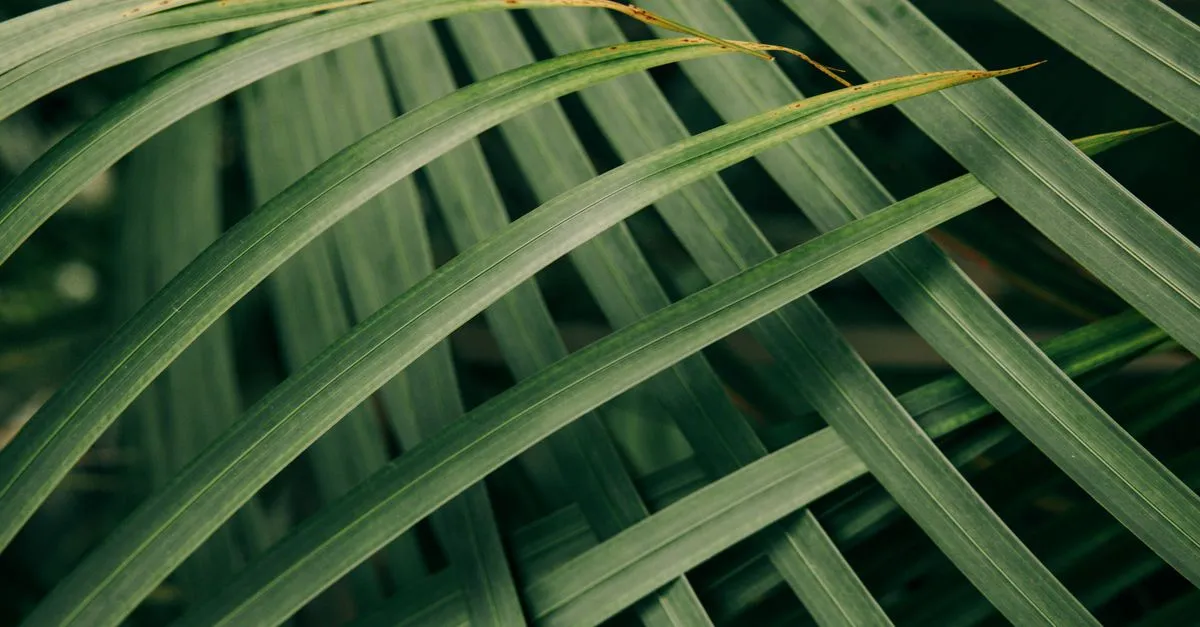
Majesty palm care is harder than the supermarket price tag suggests. Ravenea rivularis grows along riverbanks in Madagascar, roots in permanently damp soil and crown in bright open light, and a centrally heated living room offers neither. You can keep one looking good indoors, but only with more light, more water and more humidity than almost any other palm sold as a houseplant.
Majesty palm care basics: light, water and humidity
Light. This is where most majesty palms go wrong. Most palms tolerate a dim corner; this one does not. Put it right beside an east or west facing window, or a metre back from a south facing one. A couple of hours of gentle direct sun each day helps rather than harms.
Water. Forget the dry-out-between-waterings rhythm that suits most houseplants. This palm wants evenly moist soil all the time. Water when the top two or three centimetres feel dry, soak until it runs from the drainage holes, then empty the saucer. In a warm bright room that can mean twice a week in summer.
Humidity. Aim for 50 per cent or more. A heated room in winter often sits near 30, and the fronds show it within weeks. A humidifier beside the plant is the only thing that moves the number; misting does not. The houseplant humidity guide covers what works.
Temperature. Between 18 and 27°C, away from cold draughts, radiators and heating vents.
Think riverbank, not windowsill: damp roots, bright sky, wet air.
Why majesty palm fronds turn brown
Brown fronds are what everyone searches for, so here are the causes, most common first.
Dry air. The tips brown first, a few millimetres at a time, crisp at the edge. It creeps across the whole plant rather than killing one frond. Raise the humidity and new growth stays green. Brown tips never recover; trim them with clean scissors, leaving a sliver of brown so you do not cut into live tissue.
Underwatering. Whole leaflets brown from the tip back, lower fronds first, and the soil shrinks from the pot wall. One missed watering in summer can cost you a frond. If the root ball has dried right through, stand the pot in a bucket of water for twenty minutes so it rewets evenly.
Tap water. Fluoride and dissolved salts collect at the leaf tips and brown them even when humidity is fine. If tips keep browning beside a humidifier, switch to rainwater or filtered water and flush the pot through every couple of months. Standing tap water overnight removes chlorine but not fluoride; our tap water guide explains the difference.
Too little light. The frond goes pale, then yellow, then brown, and new growth comes through thin and stretched. Unlike the other causes this hits the whole plant evenly, and no amount of water or feed fixes it. Move the plant.
Feeding a palm that is always hungry
Majesty palms grow fast and eat accordingly. A starved one goes pale all over, stops making new fronds and stalls for no obvious reason. Feed a balanced liquid fertiliser at half strength every two to three weeks from spring to early autumn, and stop over winter. Yellow older fronds with green veins usually mean magnesium shortage, which a palm feed or a pinch of Epsom salts in the watering can puts right. Flush the pot now and then so fertiliser salts do not become the next cause of brown tips.
Pot and drainage: moist is not the same as wet
Here is the contradiction that kills most majesty palms: they want damp soil and they rot fast sitting in water. Both are true. The pot needs drainage holes, the saucer gets emptied after every watering, and a cache pot with no hole is a trap because you cannot see water pooling at the bottom. Use a peat or coir based mix with a generous handful of perlite so it holds moisture without turning to mud. Repot every two years or so, one size up.
When a parlour palm or kentia is the better buy
Be honest about the room before you buy, or buy another. More than a couple of metres from a window, or heating on for half the year, and a majesty palm will decline however carefully you water it. The low price reflects how cheaply it is grown, not how easy it is to keep. A parlour palm tolerates lower light and ordinary humidity, and a kentia gives the same tall, arching shape with far less fuss. Either will look better after a year than a majesty palm in the wrong spot.
One genuine advantage: safe around pets
The ASPCA lists Ravenea rivularis as non-toxic to dogs, cats and horses. That counts for something if you want a large floor plant in a home with animals, since many of the obvious alternatives, fiddle leaf fig and dieffenbachia among them, are not.
Decide by the room, not the price
A majesty palm wants bright light, steady moisture, wet air and regular feeding, and answers the lack of any one with brown fronds. Offer all four and it is a fast, lush, pet-safe plant for very little money. If you cannot, buy the parlour palm and put the difference towards a humidifier. Either way, watch the newest frond: if it unfurls green and full, the balance is right.
Where to go next
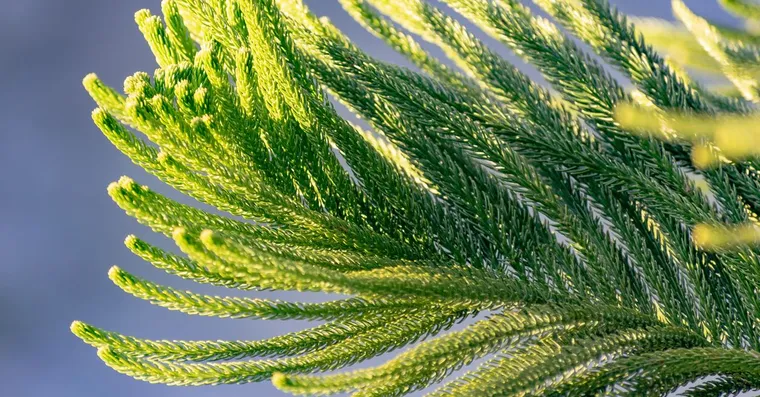
Norfolk Island Pine Care: Keeping It Alive After Christmas
A Norfolk Island pine is a tropical tree, not a conifer, and it will not survive outdoors in a cold winter. Here is what it actually needs indoors.
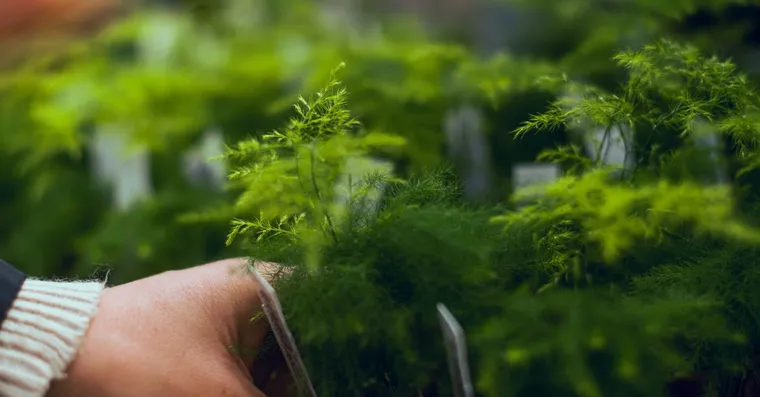
Asparagus Fern Care: Not a Fern, and It Has Thorns
Asparagus fern is not a fern, it is toxic to cats and dogs, and mature stems carry spines. Here is how to grow it and what to know first.
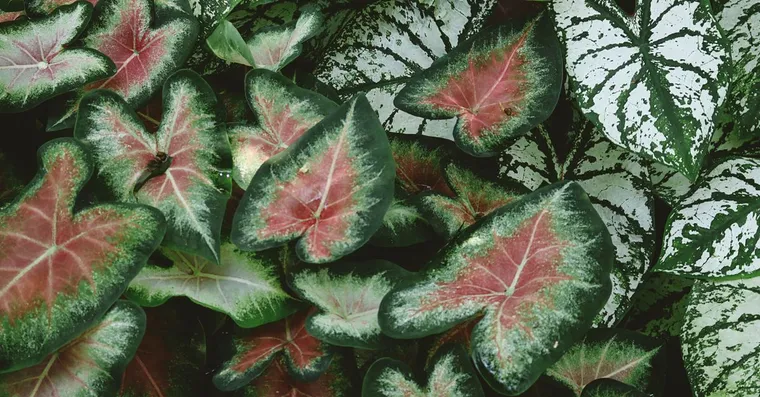
Caladium Care: Bright Leaves, Winter Dormancy, and Toxic Sap
Caladiums die back every winter and that is normal, not failure. Here is how to grow the tubers indoors and why they need care around pets.
Not sure what plant you have? Identify it from a photo and we will point you at its care guide.