Norfolk Island Pine Care: Keeping It Alive After Christmas
A Norfolk Island pine is a tropical tree, not a conifer, and it will not survive outdoors in a cold winter. Here is what it actually needs indoors.
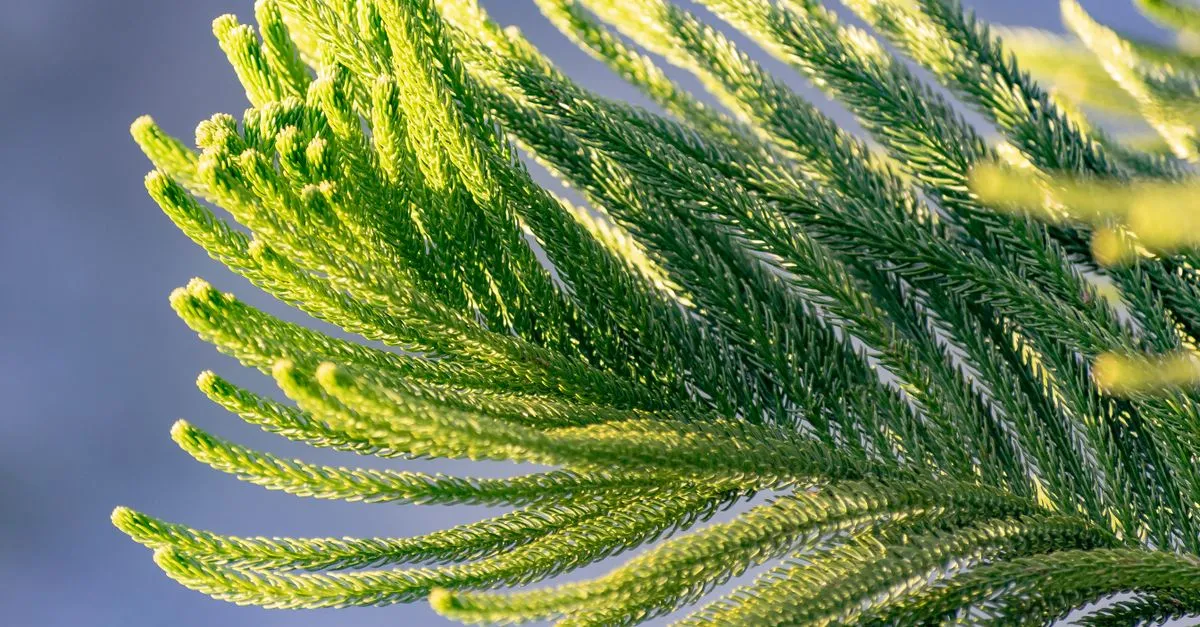
A Norfolk Island pine is not a pine, and it is not hardy. Most of the ones sold in December are dead by spring because they get treated like a small Christmas tree: stood on a cold porch, put out on the patio, or left to dry out under warm lights. Good Norfolk Island pine care starts with seeing the plant for what it is: a subtropical tree that wants warmth, bright light and even moisture all year.
Why it dies when you treat it like a conifer
Araucaria heterophylla comes from Norfolk Island, a small island in the South Pacific between Australia and New Zealand, where it never sees frost. It is not a true pine. The needle-like leaves and tidy tiers of branches make it look like something that belongs in a snowy garden, and shops sell it in winter with that idea in mind, but it has none of a conifer’s cold tolerance.
Below about 10C it suffers. Needles brown and drop, branches go limp, and one frosty night will kill it outright. So the cold porch, the unheated conservatory, the doorstep and the garden are all out. Keep it in a heated room away from draughty doors, and if it has already had a chill, read how to save a chilled plant before you do anything else.
Norfolk Island pine care indoors
Once it is inside and warm, four things decide whether it keeps its shape.
Light. Give it the brightest spot you have, with some direct sun. A south or west window is ideal. In low light the lowest tier of branches drops first and the plant goes bare at the base and lopsided. If winter light is poor, a grow light for a few hours a day does more than any fertiliser.
Water. Keep the soil lightly moist at all times, never soggy and never bone dry. Water when the top two or three centimetres feel dry, soak the pot through and let it drain. Drying out is the one mistake you cannot undo: dry roots kill the lower branches, and they do not recover. A pot with a drainage hole and a free-draining mix makes even watering easier.
Humidity. Central heating is why so many people search for a browning Norfolk Island pine. Hot, dry air scorches needle tips and triggers needle drop. Keep it away from radiators, group it with other plants, stand it on a pebble tray or run a humidifier nearby. Our houseplant humidity guide covers which of those actually work.
Turning. It grows towards the light and leans fast. Give the pot a quarter turn every week or two. A lean left for a season sets into the trunk and stays.
Feed at half strength through spring and summer, and not at all in winter.
Lost branches do not come back
Be clear on this, because it changes how you care for the plant. When a Norfolk Island pine loses a tier of lower branches to drought, cold or darkness, nothing regrows there. New growth comes only from the top. Every bare gap on a neglected specimen is permanent, and the tree is shaped for life by whatever went wrong in its first winters.
You cannot rescue a Norfolk Island pine back into shape; you can only stop it losing more.
That is why prevention matters more here than with almost any other houseplant. A pothos forgives a dry week. This tree keeps the scar.
Using it as a Christmas tree
You can decorate it, with care. Use light ornaments only, since the soft branches droop under weight, and skip hot incandescent lights. Cool LEDs are fine for a few weeks, or leave lights off.
The real problem is the flocking or spray snow supermarkets put on the ones they sell. It coats the needles, blocks light and air, and the plant cannot shed it. If yours came flocked, rinse off what you can with lukewarm water, accept that coated needles may still drop, and protect the new growth that follows. Buy an unflocked plant if you have the choice.
Safe around cats and dogs
The ASPCA lists Araucaria heterophylla as non-toxic to dogs, cats and horses. It sits in their database under the entry title Australian Pine, so search that name if you cannot find it. That makes it one of the few genuinely pet-safe Christmas plants: holly, mistletoe, amaryllis and poinsettia are all on the toxic list.
Get it through the first winter and it will outlast the decorations
Keep it warm, bright, evenly moist and turned, and a Norfolk Island pine will grow on as a slow indoor tree for years. Whatever it loses this winter it loses for good, so check the soil twice a week until spring and move it back from cold glass on frosty nights. Come March, a brighter spot and a first light feed will show whether it came through intact.
Where to go next
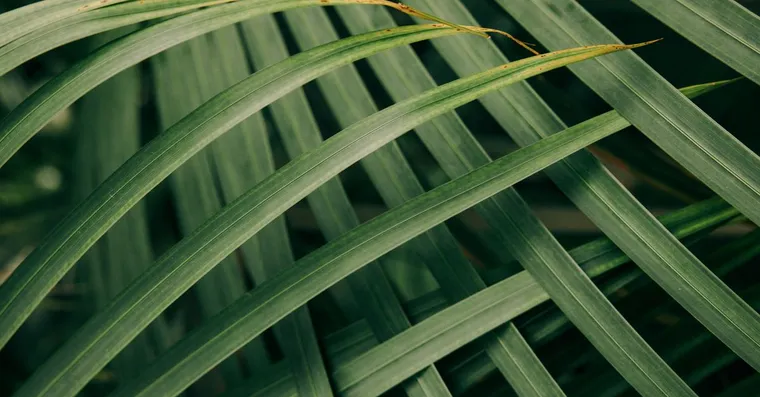
Majesty Palm Care: Light, Water, and Why It Browns
Majesty palms are sold as easy indoor palms and are not. They want more light, more water, and more humidity than a living room usually offers.
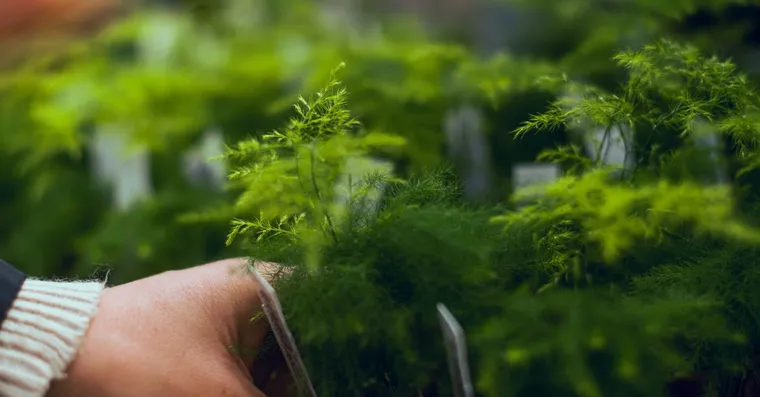
Asparagus Fern Care: Not a Fern, and It Has Thorns
Asparagus fern is not a fern, it is toxic to cats and dogs, and mature stems carry spines. Here is how to grow it and what to know first.
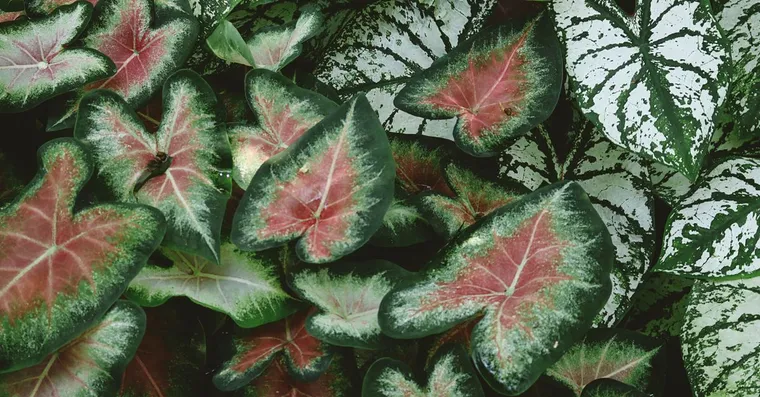
Caladium Care: Bright Leaves, Winter Dormancy, and Toxic Sap
Caladiums die back every winter and that is normal, not failure. Here is how to grow the tubers indoors and why they need care around pets.
Not sure what plant you have? Identify it from a photo and we will point you at its care guide.