Umbrella Plant Care: Growing Schefflera Indoors
How to keep a Schefflera umbrella plant bushy and upright indoors, with light, watering, and pruning tips to prevent leggy stems.
Some links in this guide go to Amazon. As an Amazon Associate we earn from qualifying purchases, at no extra cost to you. How this works.
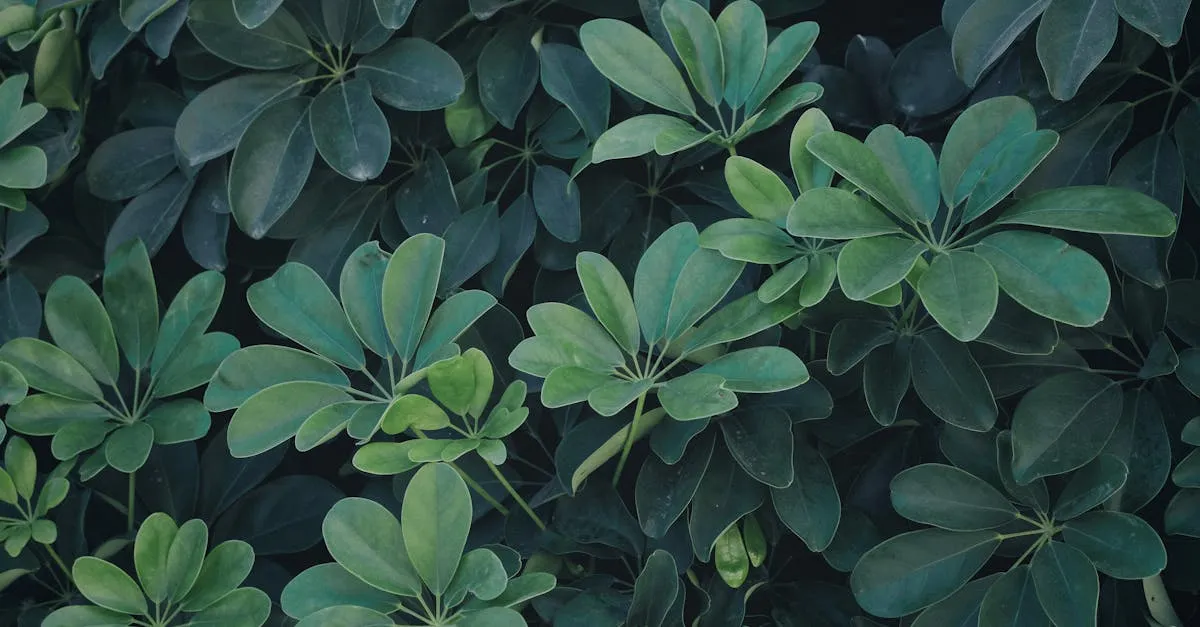
Umbrella plant care is mostly about light. Schefflera (both the large Schefflera actinophylla and the daintier Schefflera arboricola) is an easy, fast-growing houseplant that asks for very little, but it has one persistent flaw: it stretches and goes leggy when it is kept too dark. Get the light right and most of the other problems sort themselves out.
Why your umbrella plant goes leggy
This is the single most common complaint, and it is almost always a light problem rather than a watering or feeding one. In low light the plant stretches towards the nearest window, putting out long, bare stems with tufts of leaves only at the tips. The “umbrella” of leaflets spreads thin and floppy instead of staying full and held outward.
People often blame the plant for being weak, or assume it needs more fertilizer. It does not. A leggy Schefflera is telling you it is hungry for light, and no amount of feeding will fix that. The fix is brighter light plus pruning, in that order.
Getting the light right
Bright, indirect light is the target. A spot right beside an east or west window, or 3 to 6 feet (1 to 2 m) back from a south-facing one, keeps growth compact and the stems sturdy. This is the most important thing you can do for the plant.
Some direct sun is fine, and welcome in winter. A few hours of gentle morning sun thickens up growth. Harsh midday summer sun through glass can scorch the leaves, so filter it with a sheer curtain if the foliage starts to pale or bleach.
Low light is survivable but not sustainable. The plant will live in a dim corner for months, but it will steadily get leggier. If a bright window genuinely is not an option, a grow light will hold growth tight where daylight cannot.
Turn the pot a quarter every week or two so it grows evenly rather than leaning hard towards the light.
Watering without rotting the roots
Let the top inch or two (3 to 5 cm) dry out, then water thoroughly. Push a finger into the soil; when the top 3/4 to 1 inch (2 to 3 cm) feel dry, water until it runs from the drainage holes, then empty the saucer. In good light this tends to be about once a week, less in winter.
Overwatering is the real danger, not underwatering. Schefflera tolerates a missed watering far better than soggy soil. Constantly wet roots lead to root rot, which shows up as sudden yellowing and dropping leaves from the base. A pot with drainage holes and a free-draining mix prevents most of this.
Leaf drop usually means a change it disliked. A flush of dropped leaves often follows moving the plant, a cold draft, or a swing between bone-dry and waterlogged soil. Keep conditions steady and new growth returns.
Pruning to build a fuller plant
Pruning is how you turn a stretched, top-heavy Schefflera back into a bushy one, and it is the other half of the legginess fix.
- Cut back the leggy stems hard. Using clean secateurs, cut just above a leaf node or a dormant bud. Removing the growing tip forces the plant to branch from lower down, which is exactly what a sparse plant needs.
- Prune in spring or summer. Growth is fastest then, so the plant rebounds quickly and you are not left staring at bare stubs for months.
- Pinch growing tips on a healthy plant. Routinely pinching out the soft tips keeps a good plant compact before it ever gets leggy.
Do not be timid. Schefflera responds well to a firm cut and will look better for it within weeks. For the wider technique, see how to prune houseplants for bushier growth.
A leggy umbrella plant is not failing; it is reaching for a window that is too far away.
Keep it away from pets
Schefflera is toxic to cats and dogs. The leaves and stems contain insoluble calcium oxalate crystals, which cause mouth irritation, drooling, and vomiting if chewed. It is not usually life-threatening, but it is genuinely unpleasant, so place the plant out of reach or choose a pet-safe houseplant instead if you have curious animals.
The habit that keeps it bushy
The mistake to avoid is letting a Schefflera sit in a dim corner all winter and only reacting once the stems have gone bare. Check it against a bright window now, and if you can already see new growth reaching or spacing out, move it closer and earn yourself a spring prune while the plant is growing fast enough to recover quickly. A well-kept umbrella plant should feel dense and slightly springy to the touch, with leaflets held flat and outward rather than drooping from long, naked stems.
Where to go next
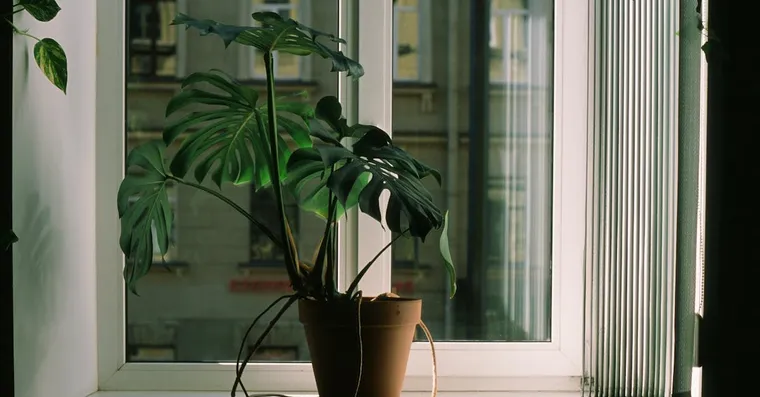
Why Houseplants Get Leggy, and How to Make Them Bushy Again
Why houseplants grow leggy with long bare stems and small leaves, why it is almost always a light problem, and how to prune and fix it for bushier growth.
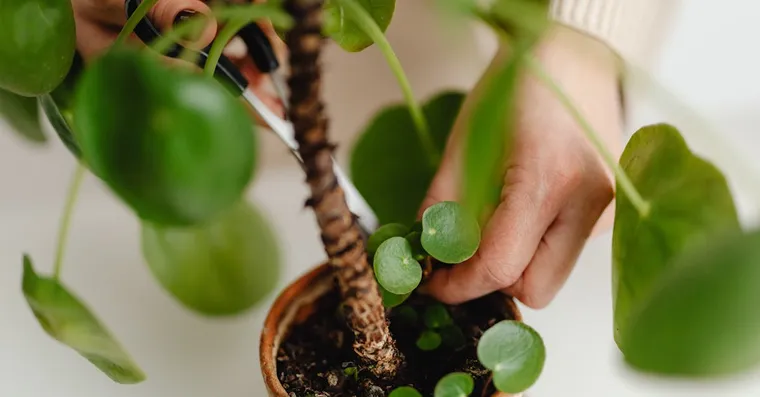
How to Prune Houseplants for Bushier, Healthier Growth
Learn when and where to cut houseplants, how pruning above a node encourages branching, and which plants you should leave alone.
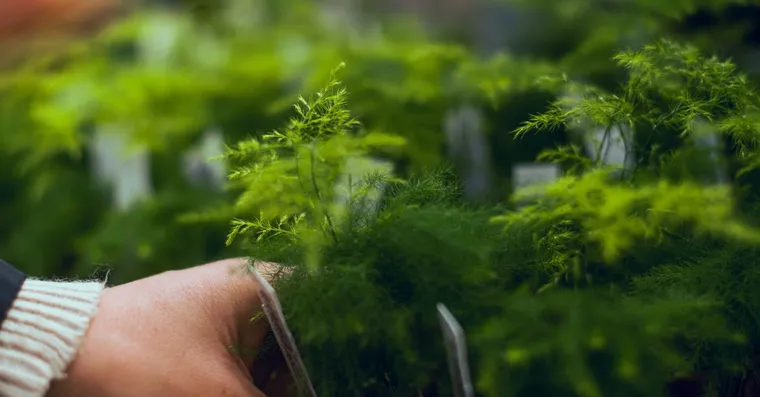
Asparagus Fern Care: Not a Fern, and It Has Thorns
Asparagus fern is not a fern, it is toxic to cats and dogs, and mature stems carry spines. Here is how to grow it and what to know first.
Not sure what plant you have? Identify it from a photo and we will point you at its care guide.