Venus Flytrap Care: How to Keep One Alive Indoors
Venus flytraps need distilled water, no fertiliser, direct sun, and a real winter dormancy. Most die because they are treated like a normal houseplant.
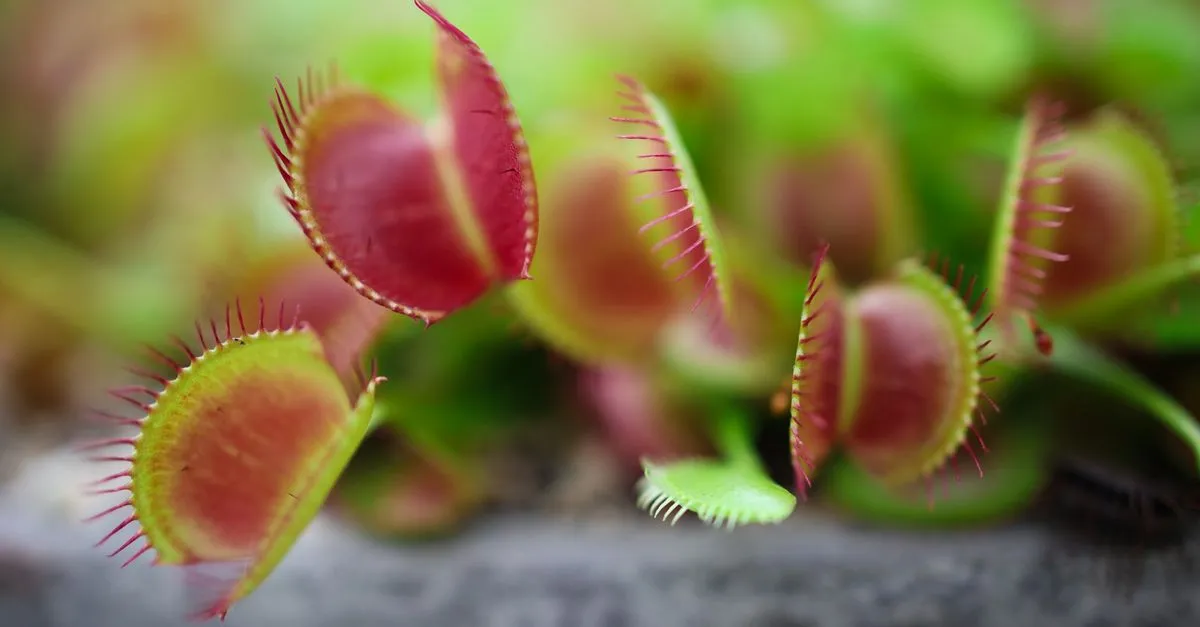
A Venus flytrap is not a normal houseplant, and most of the ones sold in supermarkets and garden centres are dead within a few months. The plant itself is tough: it is ordinary houseplant habits that kill it. Venus flytrap care comes down to four things, water, light, soil and a winter rest, and a plant that gets all four can live for twenty years.
Water: tap and bottled water kill it
This is the most common cause of death. Dionaea muscipula evolved in nutrient-poor bogs in the Carolinas and its roots cannot tolerate dissolved minerals. Tap water, bottled mineral water, and water from a softener all leave salts behind as the pot dries, and within weeks the roots burn and the plant collapses. Tap water is fine for most houseplants; this is one of the real exceptions.
Use distilled water, reverse osmosis water, or collected rainwater, and nothing else. Stand the pot in a tray holding two or three centimetres of it and top the tray up as it empties. Through the growing season the soil should stay damp to wet, the opposite of the “let it dry out” rule you follow for nearly everything else on the sill.
Light: full sun, not a bright windowsill
The second most common killer. A flytrap wants several hours of direct sun a day, four or more, which makes it a plant for a sunny window rather than the bright indirect light most houseplant guides recommend. A merely bright spot gives you long weak leaves, floppy traps, and none of the red colour inside the trap, which only develops in strong light. An unshaded south-facing sill is the minimum indoors. A sheltered sunny spot outdoors from late spring to autumn is better still, and the plant will catch its own food there.
Soil: peat or coir and perlite, nothing more
Never use potting compost, and never anything with added fertiliser. Fertiliser salts burn the roots for the same reason mineral water does. The right mix is sphagnum peat, or coir if you want to avoid peat, with perlite or horticultural silica sand at roughly equal parts, and nothing else. Shop plants usually arrive in something close to this, so repotting is not urgent; when you do it, do it in late winter as the plant wakes.
Venus flytrap care in winter: the dormancy nobody mentions
This is why plants that survive year one die in year two. A Venus flytrap is a temperate perennial, not a tropical one, and it needs three to four months at roughly 2 to 10°C from late autumn to late winter. During dormancy the traps blacken, growth shrinks to a small flat rosette, and the plant looks dead. It is not. Trim off the dead traps, keep the soil just damp rather than wet, and leave it alone.
An unheated porch, a garage with a window, or the sill of an unheated room all work. If you have nowhere cold, the last resort is to lift the plant, trim the foliage, wrap the root ball in damp sphagnum inside a loosely closed bag, and keep it in the fridge for three months, checking monthly for mould. Skip dormancy and the plant spends its reserves trying to grow through winter, weakens, and usually dies by the following summer.
Feeding: let it catch its own, and stop triggering the traps
Do not feed a Venus flytrap. Outdoors it catches all it needs. Indoors, one live or freshly killed insect every few weeks, small enough to fit fully inside a trap, is plenty, and a plant that catches nothing all year still lives on light and water alone. Never give it hamburger, cheese, or anything from your kitchen: the trap cannot digest it, the food rots, and the trap dies with it.
Each trap closes only a handful of times before it dies, so poking it for fun is spending the plant’s life.
That is about three to five closures before the trap blackens and the plant must grow a replacement. Closing on a finger costs energy and returns nothing, so it genuinely shortens the plant’s life.
Flowers and pets
In spring a mature plant sends up a tall stalk of small white flowers. On a young or recovering plant cut it off at the base as soon as it appears: flowering costs more energy than the plant can spare. Let a strong, established plant flower only if you want seed.
The ASPCA lists Dionaea muscipula as non-toxic to dogs, cats, and horses, so it sits comfortably among pet-safe houseplants. The risk runs the other way: a curious cat will spring every trap it can reach.
Get it through the first winter and it will outlive most of your plants
Pure water, plain peat and perlite, full sun, and a cold winter rest are the whole of it; the rest is patience. Expect the plant to look rough in late autumn and again when it wakes, and do not rescue it with fertiliser or a warm room. The real test is February: if it comes out of dormancy and pushes a fresh rosette, you are past the point where most supermarket flytraps die.
Where to go next
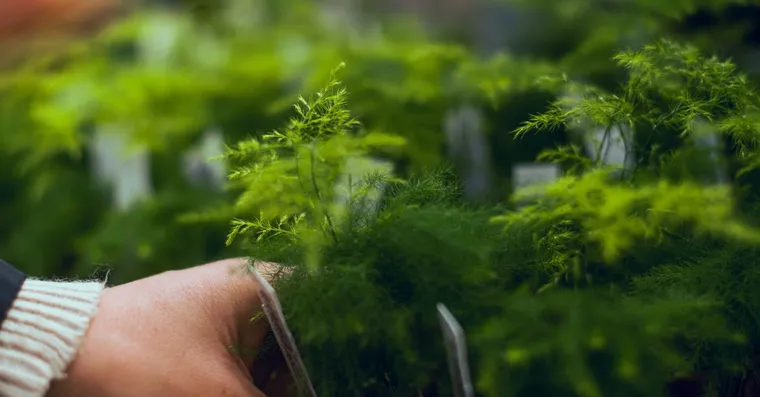
Asparagus Fern Care: Not a Fern, and It Has Thorns
Asparagus fern is not a fern, it is toxic to cats and dogs, and mature stems carry spines. Here is how to grow it and what to know first.
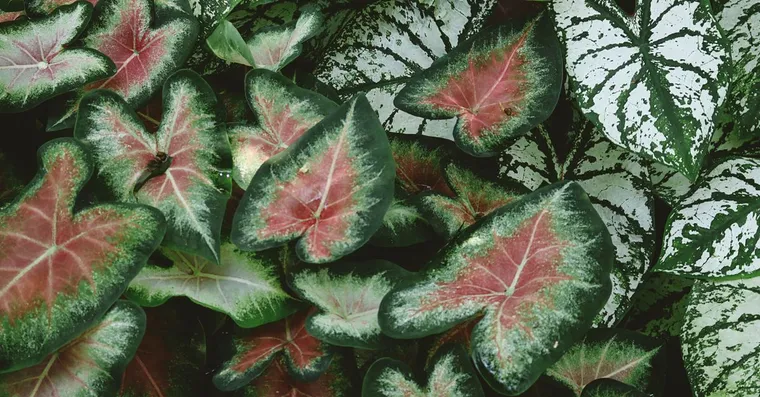
Caladium Care: Bright Leaves, Winter Dormancy, and Toxic Sap
Caladiums die back every winter and that is normal, not failure. Here is how to grow the tubers indoors and why they need care around pets.
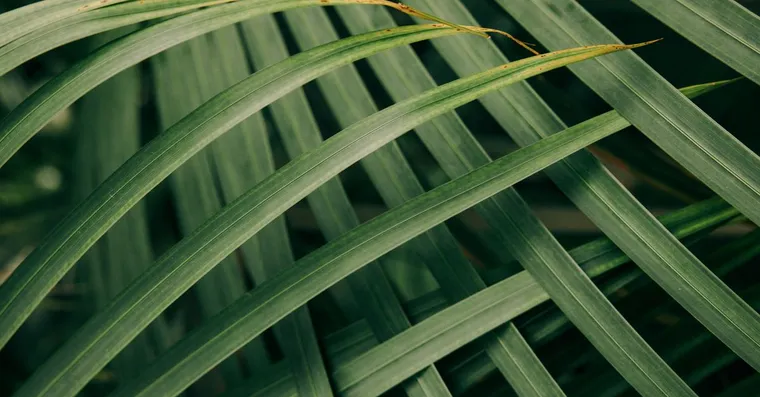
Majesty Palm Care: Light, Water, and Why It Browns
Majesty palms are sold as easy indoor palms and are not. They want more light, more water, and more humidity than a living room usually offers.
Not sure what plant you have? Identify it from a photo and we will point you at its care guide.