Weeping Fig Care: Why Ficus Benjamina Drops Its Leaves
A weeping fig drops leaves whenever it is moved, drafted, or overwatered. Here is how to settle one down and keep the canopy full.
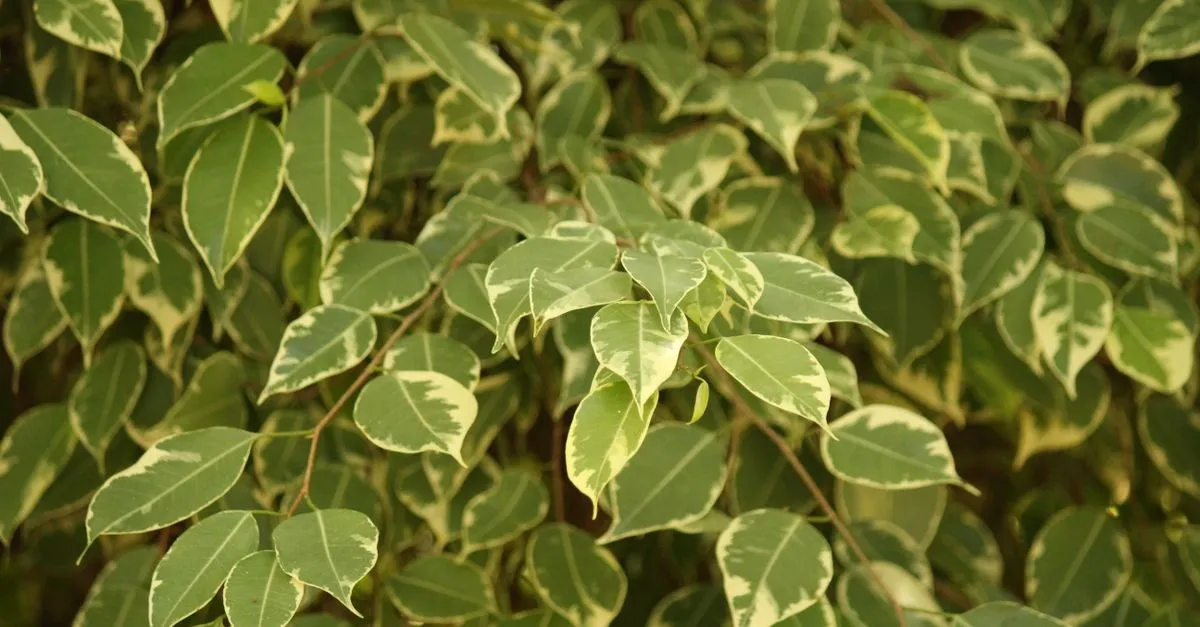
Ficus benjamina drops leaves, and that one habit is the whole reputation of the weeping fig. Most of Ficus benjamina care comes down to a single idea: the plant reacts to change by shedding, so pick a good spot once and then stop adjusting things. Do that and it is a tough, long-lived indoor tree that will outlast most of what sits beside it.
Why a weeping fig sheds its leaves
A weeping fig treats almost any change as a reason to shed. In rough order of how often it happens indoors: the move from the shop to your home, a cold draught from a door or window, dry heat from a nearby radiator, a change in light (including just turning the pot around), a new watering rhythm, and repotting. The leaves yellow and fall within a week or two of the change, often in alarming numbers.
This is a stress response, not a disease. The plant is letting go of leaves it cannot support while it adjusts, and it pushes new growth once conditions settle. The mistake is reading the drop as a sign to do something. If the soil is fine and there are no pests, the answer is to hold still.
The right spot for Ficus benjamina care
Get this right and most of the work is done.
Light. Bright indirect light with some direct morning sun. An east-facing window is ideal; a metre or so back from a south or west window also works. Too little light and the tree thins from the inside, dropping older leaves and growing sparse.
Draughts. Keep it away from doors that open to the outside, leaky windows, and air-conditioning vents. A blast of cold air is one of the fastest triggers for a shed.
Heat. Do not place it next to a radiator or heater. The warm, dry air stresses the leaves and dries the pot unevenly.
Temperature. Aim for a stable 16 to 24°C. Steady warmth matters more than the exact number.
Do not rotate it. Many guides tell you to turn houseplants for even growth. Skip that here. Choose the orientation you can live with and leave it.
Watering by soil check, not by schedule
When. Water when the top few centimetres of soil feel dry. In summer that may be weekly; in winter it can be every two or three weeks.
How. Water thoroughly until it runs from the drainage holes, then tip out the excess from the saucer. Never let it stand in water.
Why the check matters. Both overwatering and underwatering produce yellow leaves that drop, so the symptom alone tells you nothing. The soil does. Push a finger in before every watering. If you are unsure which way you have gone, Overwatering vs Underwatering Houseplants shows how to tell.
Feeding. A balanced liquid feed at half strength once a month through spring and summer is plenty. None in winter.
Pruning keeps it dense, and the sap is an irritant
Weeping figs take pruning well, and it is how you keep an indoor specimen full rather than leggy. Cut just above a leaf node or side branch in spring. Shortening the tips prompts branching lower down, and an established plant can lose a third of its canopy without harm.
Wear gloves. The milky white sap that beads at every cut is an irritant to skin and eyes, and it stains. Wipe the blades afterwards. It is the same sap that makes the plant a problem for pets, covered below.
Expect a first flush of leaf drop, and do nothing
Here is the honest expectation. Bring one home, place it, and within a couple of weeks it will probably drop a noticeable number of leaves. That is normal. The plant has left a bright greenhouse for a dimmer room and is recalibrating.
The trap is reacting. People move it to a brighter window, water more, repot, or add feed. Each of those is a new change, and each one restarts the shed.
The second change causes the second drop.
Leave it where it is, water by the soil check, and wait. New buds along the stems usually appear within four to six weeks. Acclimating a New Houseplant covers the same principle for plants that are less dramatic about it.
Toxicity: what the ASPCA records
The ASPCA’s entry for this plant is Weeping Fig, filed at genus level as Ficus sp., and it records the plant as toxic to dogs, cats and horses, with the toxic principles in the milky sap. Chewing or contact can irritate the mouth, gut and skin. If you have a pet that chews plants, keep the tree out of reach, or choose something from Pet-Safe Houseplants instead.
Stability is the whole method
A weeping fig is not hard to grow; it is hard to stop fiddling with. Choose a bright, draught-free spot away from radiators, water when the top few centimetres dry out, prune in spring, and accept the first shed as the price of admission. Once new growth starts, you have the conditions right: keep them that way, and treat any fresh drop as a prompt to ask what changed in the room, not what to change next.
Where to go next
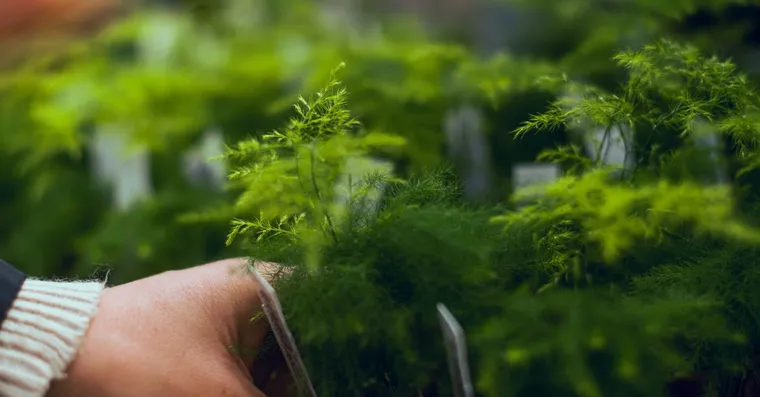
Asparagus Fern Care: Not a Fern, and It Has Thorns
Asparagus fern is not a fern, it is toxic to cats and dogs, and mature stems carry spines. Here is how to grow it and what to know first.
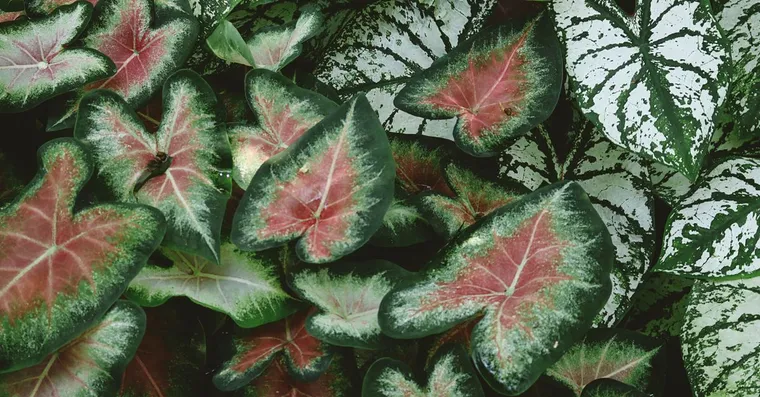
Caladium Care: Bright Leaves, Winter Dormancy, and Toxic Sap
Caladiums die back every winter and that is normal, not failure. Here is how to grow the tubers indoors and why they need care around pets.
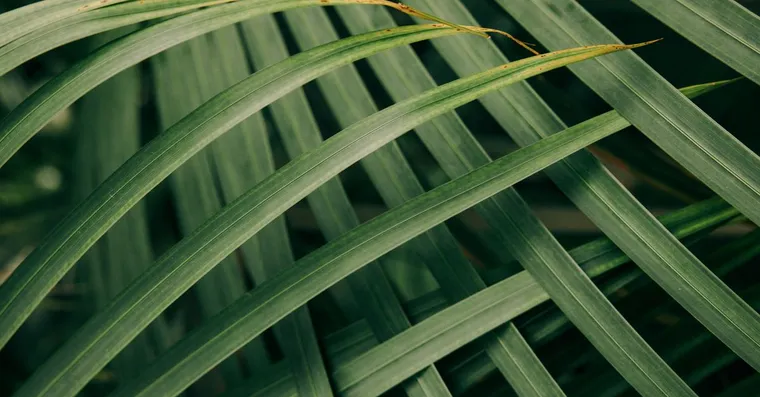
Majesty Palm Care: Light, Water, and Why It Browns
Majesty palms are sold as easy indoor palms and are not. They want more light, more water, and more humidity than a living room usually offers.
Not sure what plant you have? Identify it from a photo and we will point you at its care guide.