Biophilic Design at Home: Using Plants to Feel Better Indoors
What biophilic design means at home, how plants, light, and natural materials tie into it, and simple ways to bring more nature indoors without a renovation.
Some links in this guide go to Amazon. As an Amazon Associate we earn from qualifying purchases, at no extra cost to you. How this works.
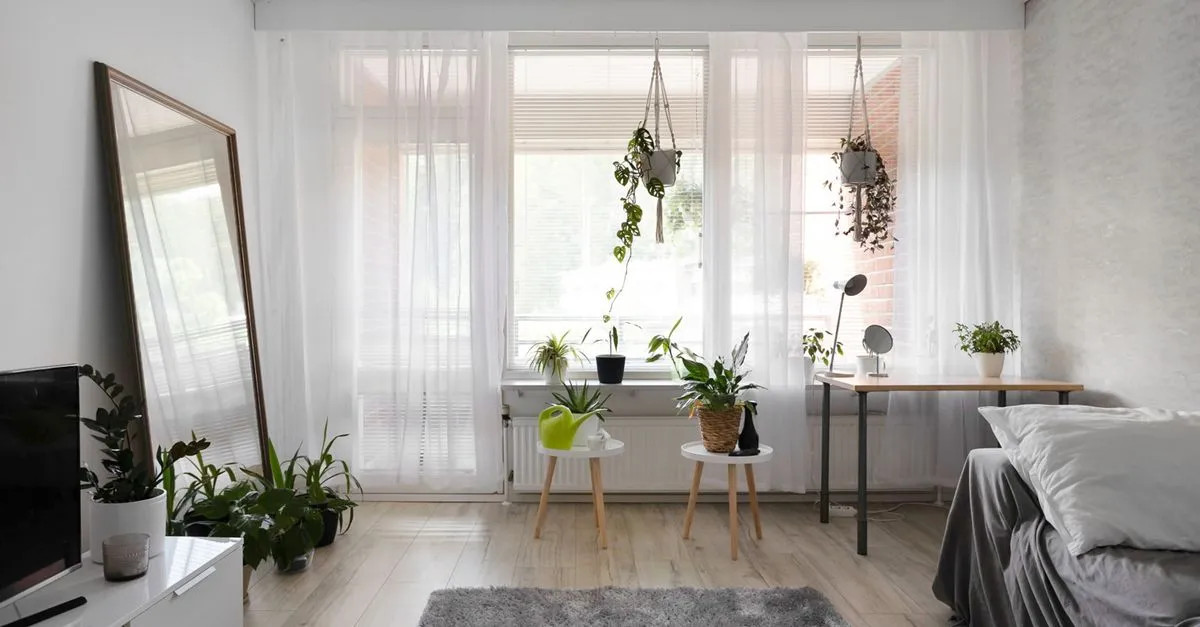
Biophilic design at home is simpler than the word suggests: it means bringing nature, real or suggested, into the spaces where you actually live and work. The honest version is that a few plants, good daylight, and some natural materials can make a room feel calmer and more pleasant, which is worth doing on its own. It is a design idea backed by modest wellbeing research, not a health treatment, so treat the benefits as real but gentle.
What biophilic design actually means
Biophilia is the idea that humans have an innate pull towards living things and natural settings. You see it in the fact that most people relax more easily near greenery, a view of trees, or running water than in a sealed gray box.
Biophilic design takes that preference and builds it into interiors deliberately: plants, daylight, natural textures, views, and organic shapes. It is not a single product you buy. It is a set of small decisions about what you put in a room and where.
Why the pull seems wired in is still debated, but the leading explanation is evolutionary. For almost all of human history we lived outdoors, and environments with greenery and open sightlines signalled safety, water, and food. Indoor life is very recent by comparison.
The honest state of the evidence
Studies on plants and indoor nature tend to show small, real effects: slightly lower stress, modest improvements in mood and attention, a preference for rooms that contain greenery. That is genuinely useful, and it is also modest. A plant on your desk will not fix burnout or replace time spent outside.
A few well-placed plants do more for a room than a jungle nobody has time to keep alive.
Be wary of bigger claims. Marketing often stretches the research into talk of detoxing your air or curing anxiety. The realistic benefit is a space that feels better to be in, plus the quiet satisfaction of tending something. If you want the fuller picture, see can houseplants reduce stress and are houseplants actually good for your health.
Low-cost moves that actually work
You do not need a renovation. Ranked roughly from highest impact to lowest:
Maximize daylight. This is the single biggest lever. Pull furniture away from windows, swap heavy curtains for lighter ones, clean the glass, and use mirrors to bounce light deeper into a room. Daylight affects mood and sleep more reliably than any plant.
Group your plants. Three or five plants clustered together read as a small piece of nature, while the same plants scattered one per shelf just look like decoration. Grouping also raises local humidity a little and makes watering easier. Mix heights and leaf shapes for depth.
Frame a view. If you have any outlook onto a tree, sky, or garden, arrange a chair or desk to face it. Where you face a wall or another building, a leafy plant on the sill becomes your view instead.
Add natural textures. Wood, stone, rattan, linen, wool, and clay pots all carry the same calming, natural quality as plants and need no upkeep. A terracotta pot or a wooden shelf does quiet work here.
Choose plants you can keep alive. A thriving snake plant or pothos beats a struggling fiddle leaf fig. Match plants to your actual light and routine. If you are starting out, see the best houseplants for beginners, and for darker rooms, the low-light houseplants that actually survive.
Working room by room
Different rooms ask for different things. A bedroom benefits from calm and a tidy, low-clutter feel, so keep plant numbers modest and easy to reach. A home office gains from a plant within your eyeline, since a glance at greenery gives your attention a short rest between tasks. If children share the space, houseplants for kids covers easy varieties they can actually grow and tend themselves.
Living rooms can take a bolder statement plant because you have the floor space and the light. Kitchens and bathrooms suit plants that enjoy humidity and forgive irregular care. For placement decisions across the whole home, see where to place houseplants in your home, room by room.
The mistake to avoid is buying for the look in a catalog rather than for the conditions you have. A plant that slowly declines undoes the calming effect you were after.
Start with daylight, then add one cluster
If you only change one thing this month, free up a window and clean the glass before you buy a single new plant, since light is the lever everything else hangs on. Once the room is brighter, add one well-grouped cluster of plants you already know you can keep alive, then live with it for a few weeks before adding more. Biophilic design rewards slow, lived-in adjustments far more than a single big shopping trip.
Where to go next
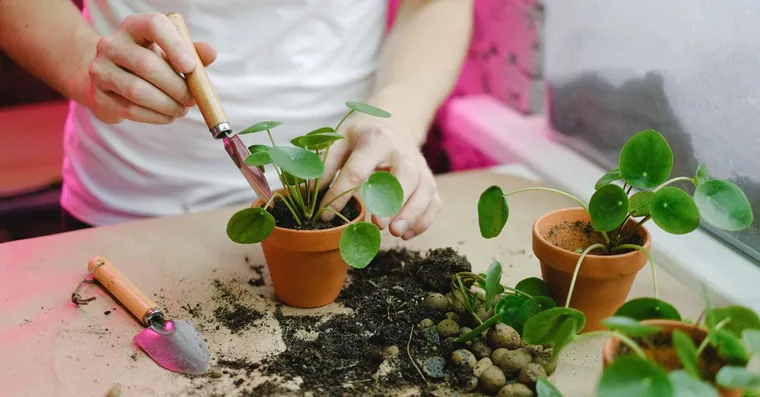
Houseplants and Vastu: Where to Place Plants for Good Energy
A plain guide to placing houseplants by Vastu Shastra, which directions and rooms it favours, with an honest note on what the tradition actually promises.
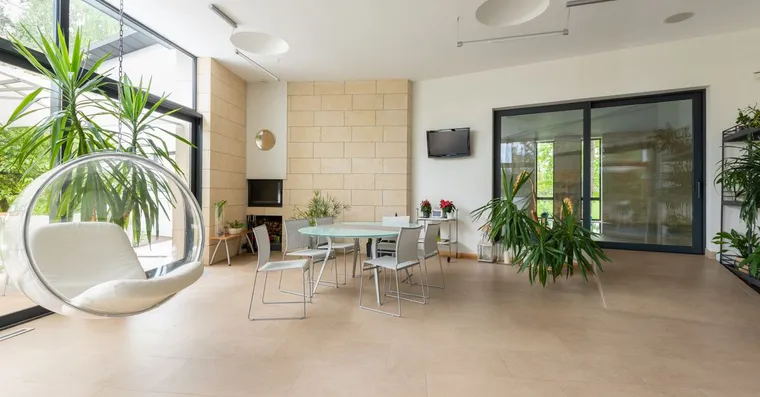
Why Are Houseplants So Popular Right Now?
A look at why houseplants exploded in popularity, from real wellbeing benefits and small space living to social media, and what is hype versus genuine.
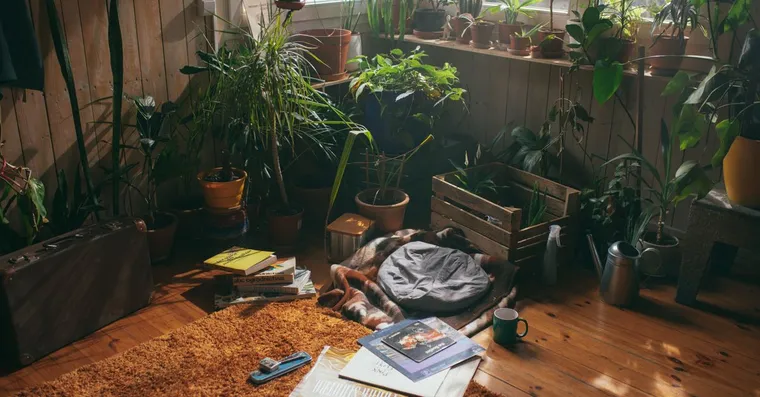
Houseplants for Anxiety: Which Plants Help and Why
Whether houseplants genuinely help with anxiety, what the evidence shows, which plants people find most calming, and how to use plants to create a calmer space.
Not sure what plant you have? Identify it from a photo and we will point you at its care guide.
Sources
- Kaplan, S. (1995). The restorative benefits of nature: Toward an integrative framework. Journal of Environmental Psychology, 15(3), 169-182.
- Lee, M. S., Lee, J., Park, B. J. & Miyazaki, Y. (2015). Interaction with indoor plants may reduce psychological and physiological stress by suppressing autonomic nervous system activity in young adults: a randomized crossover study. Journal of Physiological Anthropology, 34, 21.