Pothos Varieties: Golden, Marble Queen, Neon, and More
Golden, marble queen, neon, jade, and pearls and jade pothos compared, with how their care needs and growth habits actually differ.
Some links in this guide go to Amazon. As an Amazon Associate we earn from qualifying purchases, at no extra cost to you. How this works.
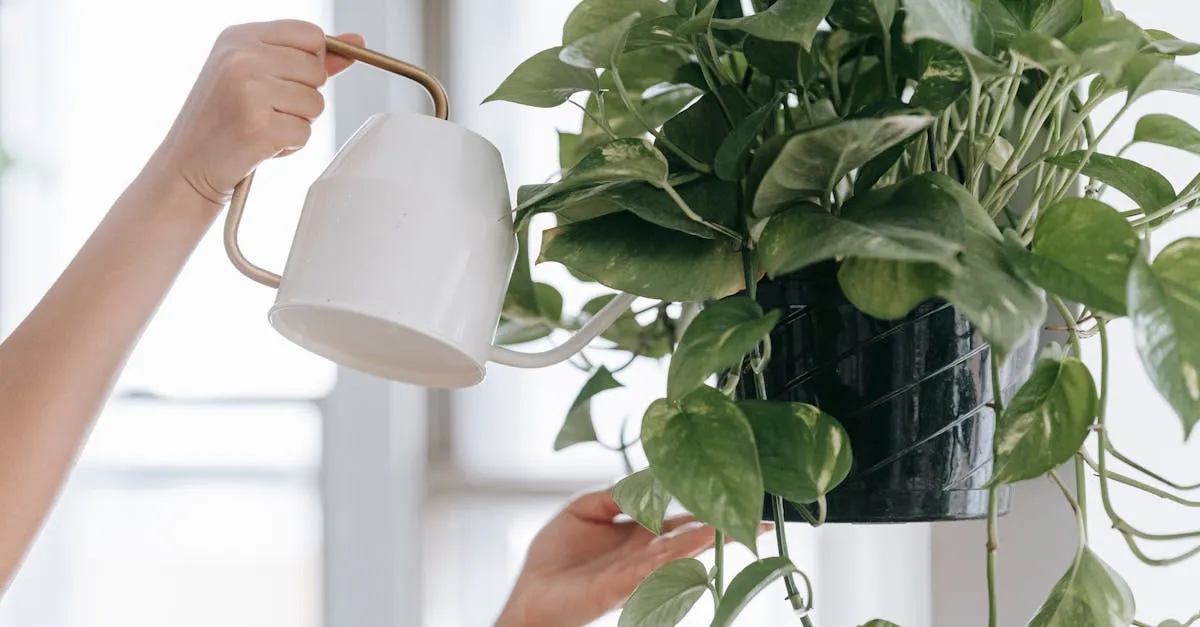
Most pothos sold under different names are the same species, Epipremnum aureum, bred or selected for different leaf color and pattern. When people compare pothos varieties, the choice usually comes down to one trade-off: the more variegation a plant carries, the more light it needs to keep it. This guide walks through the common cultivars by appearance, growth rate, and light needs, so you can match one to the spot you actually have.
Quick answer
Most pothos varieties are the same species, Epipremnum aureum, and the choice comes down to one trade-off: the more variegation a plant carries, the more light it needs to keep it. Golden pothos is the forgiving standard. Jade, plain green, handles the lowest light of any pothos. Marble queen is the most light-hungry of the common types, manjula and N’Joy also want bright indirect light to look their best, and all three fade toward green in dim rooms, while neon is not variegated and keeps its lime color best in bright indirect light. Care is otherwise the same, and every pothos variety is toxic to cats and dogs if chewed.
The most common pothos varieties
These are the cultivars you will find in most garden centers, ranked roughly from easiest to most demanding.
Golden pothos. The standard variety: mid-green leaves splashed with irregular yellow and cream. It grows fast, trails or climbs readily, and tolerates a wide range of light. This is the plant most people picture when they hear “pothos”, and it is the most forgiving.
Jade pothos. Plain, solid green with no variegation at all. Because it has no pale tissue to maintain, it photosynthesizes efficiently and handles the lowest light of any pothos. If your spot is genuinely dim, jade is the honest pick. It also pairs well with other low-light houseplants that actually survive.
Marble queen pothos. Heavily variegated, with leaves that can be close to half white. It is slower-growing and the most light-hungry of the common types. In a dim corner, new leaves come out greener and the marbling fades.
Neon pothos. Solid chartreuse to bright lime, with no pattern. It is not variegated, so it is not fussy about light, but the color is richest in bright indirect light and turns a duller green in shade. New growth is the brightest.
Pearls and jade pothos. A compact cultivar with small leaves edged in white and gray. It grows slowly and stays tidy, which suits shelves and small pots, but the white margins mean it wants good light.
Manjula and N’Joy pothos. Both are patented cultivars with broad cream and green sections. They are attractive, slower-growing, and need bright indirect light to look their best. Expect to pay more for them.
Why variegation changes the light rule
The white and cream parts of a pothos leaf contain little or no chlorophyll, so they do no photosynthesis. The plant survives on its green tissue alone. The more white a cultivar carries, the less working leaf surface it has, and the more light it needs to make up the difference.
A heavily variegated pothos in a dark room will not stay heavily variegated: it reverts to green to feed itself.
This is why marble queen, manjula, and N’Joy can disappoint in low light. They do not die, but new leaves emerge greener and the pattern you paid for slowly disappears. Move them to a brighter window and fresh growth carries more variegation again. Plain green types, jade and neon, have nothing to lose, which is what makes them steadier in poor light.
Matching a variety to your room
A bright spot, near but not in direct sun. Any variety works here. This is where marble queen, manjula, and pearls and jade hold their pattern best. Some gentle morning sun is fine; harsh afternoon sun can scorch leaves.
Average indoor light, 10 feet (3 m) from a window. Golden and neon pothos do well. Variegated types survive but slowly lose contrast.
A genuinely dim corner or north-facing room. Choose jade. If you want a brighter look without the light, neon reads as cheerful even in shade. For anything more variegated, add a grow light rather than hoping.
Across all varieties, care is the same: water when the top inch or two (3 to 5 cm) of soil are dry, and use a free-draining mix. The watering rhythm is covered in how often to water a pothos, and general care in the full pothos guide. One caution worth stating plainly: every pothos variety is toxic to cats and dogs if chewed, so check pet-safe houseplants if that matters in your home.
Pick the variety your light can keep
The mistake to avoid is buying the most variegated plant in the shop for a spot that cannot hold the pattern, then watching it green over within a few months. Judge your brightest realistic position first, then choose the cultivar that matches it: jade or golden for the dim and average rooms, marble queen or manjula only where they will get steady bright indirect light. Get that pairing right at the outset and the plant looks after the rest.
Where to go next
Monstera Varieties: Deliciosa, Adansonii, Albo, and More
A plain guide to the monstera types you will actually meet, from common deliciosa and adansonii to pricey variegated albo and thai constellation.
Pothos vs Heartleaf Philodendron: How to Tell Them Apart
The reliable ways to tell a pothos from a heartleaf philodendron: cataphylls, petioles, leaf texture and new growth, plus why shops so often mislabel them.
How to Grow Pothos in Water Permanently
Whether pothos can live in water permanently, how to set it up, and the trade-offs in growth and leaf size you should expect.
Not sure what plant you have? Identify it from a photo and we will point you at its care guide.