How to Propagate Houseplants From Leaf Cuttings
Which houseplants grow from a single leaf, how to take and root leaf cuttings in water or soil, and why some leaves grow roots but never a new plant.
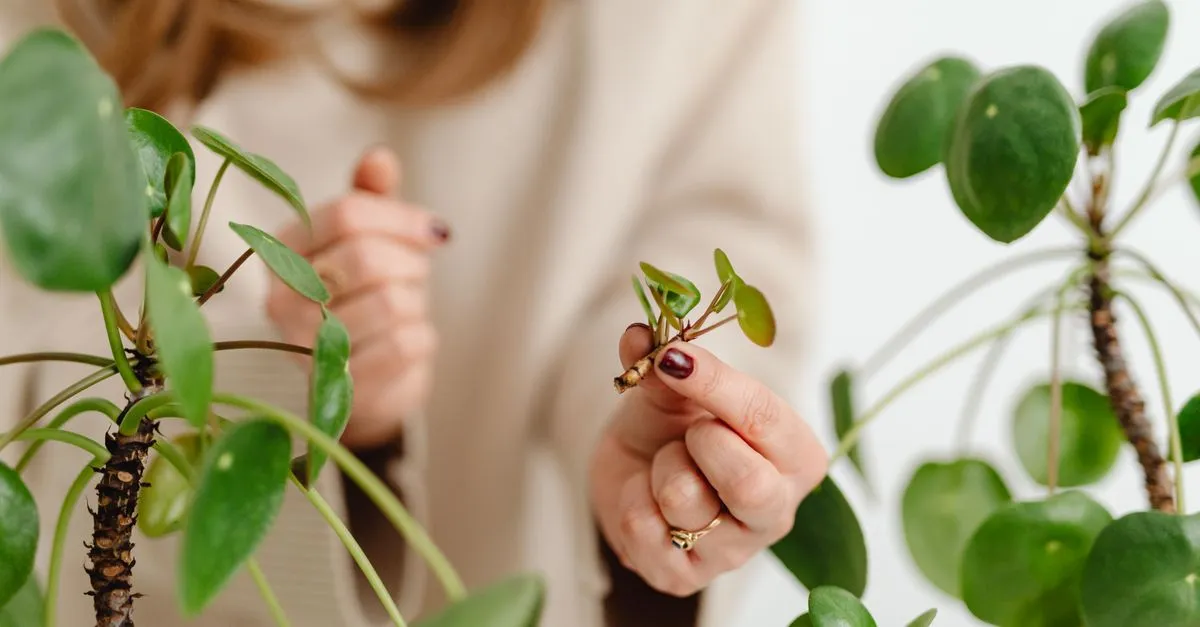
How to propagate houseplants from leaf cuttings sounds like the easiest method going: pull off a leaf, set it down, wait for a new plant. The honest answer is that it works for a short list of plants and fails for most of the rest, and even when it works it is slower and less reliable than taking a stem cutting. This guide covers which plants actually grow from a leaf, the method for each, and the trap that catches most people.
Why most leaves never become plants
A new plant needs a growth point: a bud, a node, or specialized cells that can form a shoot. A leaf on its own usually has none of that. It can sit there, photosynthesize, and even push out roots, and still never produce a single new stem.
This is the difference that matters. Roots are not a plant. A leaf that grows roots in water has solved half the problem and may be stuck on the other half forever. Plants that propagate from leaves are the exceptions that carry shoot-forming cells in the leaf base or along the cut edge. Everything else needs a node, which is why stem and tip cuttings are the default for most houseplants.
A leaf can grow roots and still never grow a plant, because roots and shoots come from different cells.
Plants that genuinely grow from a leaf
These are ranked roughly from most reliable to most patient.
Succulents (echeveria, graptopetalum, many sedums). The easiest group. Twist off a whole, undamaged leaf so the base comes away clean, then lay it on top of dry, gritty mix and leave it. Do not bury it and do not water for a few days. Roots and a tiny rosette form at the leaf base over a few weeks. Jade and kalanchoe also work this way. See propagating succulents from leaves for the full method.
African violet. One of the most rewarding. Cut a healthy leaf with about 1 to 2 inches (3 to 5 cm) of stalk, push the stalk into damp, light mix at an angle, and keep it warm and humid. Plantlets emerge from the buried stalk base after several weeks. This is the standard way to multiply them and pairs well with African violet care.
Begonia (rhizomatous and rex types). The party trick of leaf propagation. Lay a whole leaf flat on damp mix, nick the main veins on the underside with a clean blade, and pin it down so the cuts touch the surface. New plantlets form at each cut vein. You can also cut the leaf into wedges, each containing a main vein. Keep humidity high and light bright but indirect.
Snake plant. It works, but read the trap below first. Cut a healthy leaf into sections an inch or two (3 to 5 cm) tall, keep each piece the right way up, let the cut ends callus for a day, then stand them in water or push them into mix.
Peperomia. Similar to begonia for the chunkier-leaved types. A whole leaf with a short stalk, or a leaf cut in half across the middle, set cut-side into damp mix will form plantlets at the base. Slow but dependable.
The snake plant and ZZ trap
This is where most people lose patience. A snake plant or ZZ leaf in a jar of water will often grow roots within a month, which looks like success. Then nothing else happens. The leaf can sit there with healthy roots for three, six, even twelve months before a shoot, called a pup, finally pushes up from the base, and sometimes it never does.
Two practical points follow. First, with a snake plant, division of the rootball is far faster than a leaf cutting if you want a full plant this year. Second, with a ZZ plant, patience is the whole skill: the leaf is storing energy underground in a small tuber, and that takes months. Neither is doing anything wrong when it stalls. That is simply how these plants work.
Giving leaf cuttings the best odds
Use healthy, mature leaves. Damaged, very young, or very old leaves rarely have the energy to start a new plant.
Let cuts callus where it matters. Succulent and snake plant cuts should dry for a day before contact with water or soil. This reduces rot.
Keep them warm and bright, not hot or scorched. Indirect light and a steady warm temperature speed things up. Direct sun cooks small cuttings.
Do not overwater. Damp, not wet. Most leaf cuttings rot from sitting in soggy mix long before they fail to root. If yours keep going mushy, read why cuttings fail to root.
Label the date. Because leaf propagation is slow, a date saves you from giving up on a cutting that is on schedule.
When to reach for a leaf cutting
Leaf cuttings earn their place with succulents, African violets, and begonias, where a single leaf reliably builds a whole new plant. Start them in spring or early summer, when warmth and longer days push roots and shoots along faster than a winter cutting ever will. And whatever you propagate, judge progress by the shoot rather than the roots, so you do not throw out a snake plant or ZZ cutting that is simply taking its slow, normal course.
Where to go next
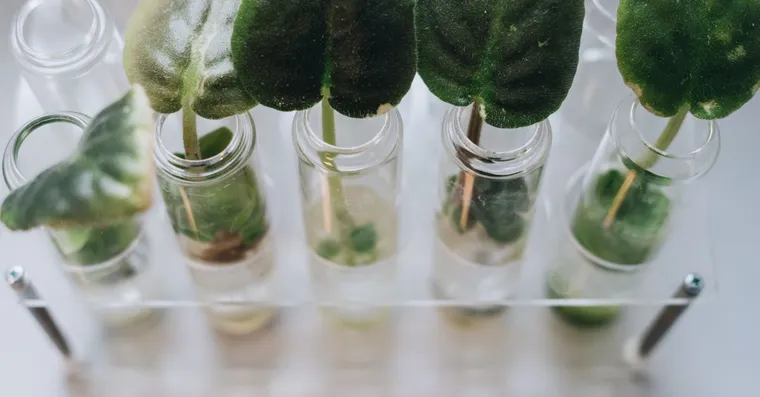
Best propagation stations for houseplants
A buying guide to propagation stations: which vessel suits water rooting, what actually helps roots form, and when a jam jar does the same job for free.
Air Layering Houseplants: Propagating Big Plants Without the Risk
How to air layer a houseplant to root a stem before you cut it, the method step by step, and why it suits leggy monsteras, rubber plants, and fiddle leaf figs.
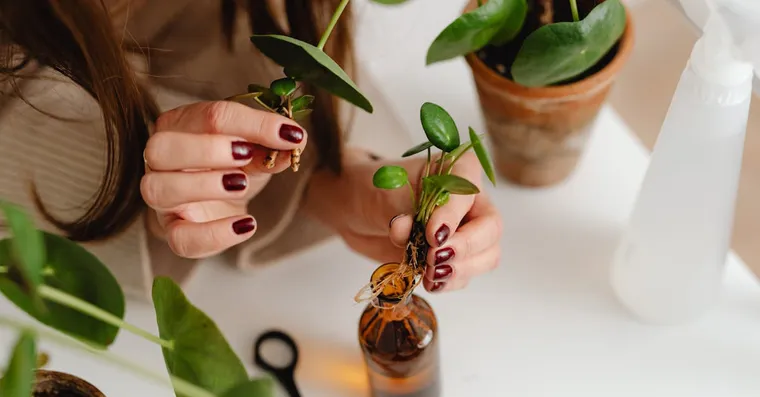
Do You Need Rooting Hormone to Propagate Houseplants?
What rooting hormone does, which cuttings actually benefit from it, and an honest take on whether most houseplant propagation needs it at all.
Not sure what plant you have? Identify it from a photo and we will point you at its care guide.