Why Are My Houseplant Leaves Curling? Causes and Fixes
A diagnostic guide to curling houseplant leaves, covering underwatering, heat and light stress, pests, and root problems by how the leaves curl.
Some links in this guide go to Amazon. As an Amazon Associate we earn from qualifying purchases, at no extra cost to you. How this works.
Curling leaves are frustrating because they look dramatic but tell you almost nothing on their own. Curling is a symptom, not a diagnosis: thirst, heat, pests, and root rot each bend a leaf in their own way. The trick is to read the direction and pattern of the curl, match it to a cause, then change one variable and watch.
Why leaves curl: the short version
A leaf curls when its two surfaces lose water at different rates, or when cells on one side collapse. That is it biologically. Everything below is just a different reason for that imbalance. Resist the urge to water, move, and spray all at once. If you do, you will never know what worked.
Wet soil plus limp, drooping curl is root rot, not thirst. Watering again accelerates the damage. Confirm with a smell test (sour) and brown mushy roots before you do anything else.
Curl-direction quick reference
Lucy Liu, at her London nursery, starts every diagnosis with one question: are the leaves curling upward into a cup, or downward like a claw? Upward and inward means the plant is reducing its surface area against heat, scorching light, or thirst; downward points more often to overwatering, root rot, or a sap-sucking pest.
Screenshot this table before you scroll further.
| Curl direction | Likely cause | Confirm in 30 seconds | First move |
|---|---|---|---|
| Inward or taco-shaped | Underwatering | Soil dry 1 to 1 1/2 inches (3 to 4 cm) down; pot feels light | Water thoroughly until drainage runs clear |
| Upward or backward (away from light) | Heat or sun stress | Pale or scorched patches; peaks in afternoon | Move plant back or behind a sheer curtain |
| Puckered on new growth only | Pest feeding | Check undersides and leaf joints for insects | Isolate; inspect; treat if confirmed |
| Limp curl in wet soil | Root rot | Soil soggy; roots brown, mushy, sour smell | Trim dead roots; repot into fresh free-draining mix |
Underwatering vs heat stress: the overlap case
Both causes produce upward curl and both can appear on the same plant in summer, which is why people misdiagnose them. The differentiator is soil moisture and time of day.
Thirst curl is consistent all day: the leaves are curled at 8 am and still curled at 8 pm, and the soil is dry below the surface. Heat curl peaks in the afternoon when solar load is highest and eases at dusk once the intensity drops. Pale or scorched patches alongside the curl confirm heat rather than thirst. Check your soil first; if it is moist and the curl relaxes by evening, move the plant rather than watering more. Our guide on overwatering vs underwatering houseplants covers the overlap in more detail.
Thirst: leaves curl inward and downward
A thirsty plant curls leaves inward, often into a taco or tube, to cut the surface area losing moisture. The soil is dry well below the surface, the pot feels light, and the whole plant looks slightly deflated.
Push a finger 1 to 1 1/2 inches (3 to 4 cm) into the soil. If it is bone dry, water thoroughly until it runs from the drainage holes, then let the top inch or two (3 to 5 cm) dry before the next round. Most thirst curl reverses within a day. For method and timing, see how to water houseplants.
Heat and sun stress: curling away from the source
Direct sun or a heat source close to the foliage causes leaves to curl upward or backward. South-facing windows in summer and spots above radiators are the usual culprits. Pale or scorched patches alongside the curl confirm the cause. See sunburn on houseplant leaves if you suspect the light is the problem.
Move the plant 3 feet (1 m) back from the glass or add a sheer curtain. Low humidity amplifies heat stress in thin-leaved tropicals; see houseplant humidity guide for options.
Normal curl: calathea, maranta, and prayer plants
If you bought a calathea or maranta last week and found the leaves tightly folded at 9 pm, put the watering can down. These plants belong to the Marantaceae family and fold their leaves inward at night in response to changing light levels, a process called nyctinasty. It is not stress; it is what they do. By mid-morning they should be open again. If daytime leaves look healthy and unfurled, nothing is wrong. See calathea care guide for the genuine warning signs to watch for.
Pests: which insect causes which curl
New-growth-only curl is a pest problem until proven otherwise. Older leaves are tougher; insects prefer soft emerging tissue. When older leaves are also affected, look at culture first.
Aphids cause soft cupped-downward curl on new growth, usually with sticky honeydew residue on the leaves or bench below. See aphids on houseplants for treatment.
Thrips cause tight narrow inward rolling, often with silvery or bronze scarring and tiny black specks (frass) on the undersides. See thrips on houseplants for the full protocol.
Spider mites cause fine stippling and a slight upward edge curl, and unlike the other two they attack older leaves as well as new growth. Fine webbing in the joints confirms them. See spider mites on houseplants for the removal steps.
Isolate any affected plant immediately, rinse it under a shower or tap, and treat with insecticidal soap or neem, repeating weekly until new growth comes in undistorted.
Root rot: limp curl that water makes worse
This is the cause people miss most often, because it mimics thirst. Roots damaged by overwatering cannot move moisture up, so leaves curl and droop even in soggy soil. The tell is the combination: wet soil plus limp curl. Sniff the base and check the roots: rot smells sour and roots are brown and mushy rather than firm and pale.
Act quickly using the overwatering vs underwatering houseplants guide, which means trimming dead roots and repotting into fresh, free-draining mix.
Less common causes
Cold or drafts. Sudden chills near a winter window or an air-conditioning vent curl and crisp leaf edges. Move the plant somewhere stable and away from direct airflow.
Fertilizer burn. Too much feed leaves salt deposits that pull water from roots. You will see marginal scorch alongside the curl and sometimes a white crust on the soil surface. Flush the pot with plain water and reduce feeding frequency.
Species-specific quick routes
For snake plants specifically, the curl pattern and fixes differ by pot size and light. See snake plant leaves curling for that diagnosis. For pothos, limp drooping curl is usually root-bound or drought stress; see pothos drooping and curling for the step-by-step.
Read the curl before you reach for the watering can
The single mistake that turns a recoverable plant into a dead one is watering on instinct: if the soil is already wet, more water feeds root rot instead of fixing it. Decide the cause first, change one thing, then give it a day or two to respond before touching anything else. If new growth comes in flat and uncurled, you picked the right variable; if it does not, you have ruled one cause out and can move to the next with a clear head.
Where to go next
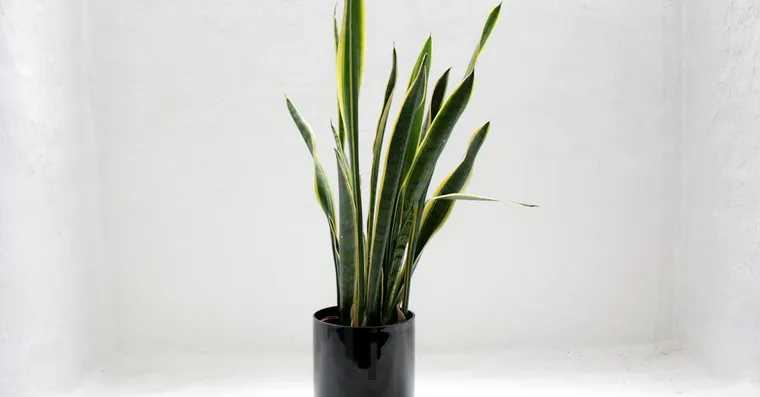
Why Are My Snake Plant Leaves Curling? 6 Causes and Fixes
Snake plant leaves curl for a handful of predictable reasons. Here is how to identify which one is affecting your plant and fix it.
Fungus Gnat Larvae: What They Look Like and How to Kill Them
Fungus gnat larvae live in the top few centimetres of soil and eat roots. Here is how to confirm you have them and the treatments that actually clear them.
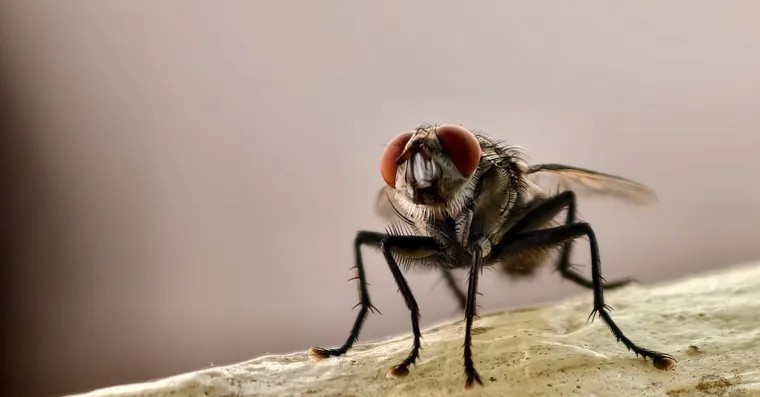
Fungus Gnats vs Fruit Flies: How to Tell Which You Have
Fungus gnats come from your plant pots, fruit flies come from the kitchen. They need completely different treatments, so identify before you treat.
Not sure what plant you have? Identify it from a photo and we will point you at its care guide.
Frequently asked questions
Why are my plant's leaves curling inward?
Inward curling that looks like a taco or tube shape is almost always thirst. Check whether the soil is dry a couple of inches (several cm) below the surface and the pot feels light. Water thoroughly and most inward curl reverses within a day. If the soil is wet and leaves are still limp and curled, suspect root rot rather than underwatering.
Can heat make leaves curl?
Yes. Too much direct sun or a nearby heat source causes leaves to curl upward or backward, away from the light. The key difference from thirst curl is timing: heat curl peaks in the afternoon and eases at dusk, and you often see pale or scorched patches alongside it. Thirst curl looks the same all day regardless of light levels.
Is it normal for calathea leaves to curl up at night?
Completely normal. Calathea, maranta, and other prayer plants fold their leaves inward at night in a light-driven process called nyctinasty. It is not a sign of stress. If the leaves uncurl by mid-morning and look healthy, nothing is wrong.
Which pests cause curling leaves?
Aphids cause soft cupped-downward curl on new growth, often with sticky residue. Thrips cause tight narrow inward rolling with silvery scarring. Spider mites cause fine stippling with a slight upward edge curl, usually on older leaves too. New-growth-only curl should be treated as a pest problem until proven otherwise.